


Design & Development
From concept to sample, our team supports custom shapes, decorations, and packaging design to bring your ideas to life.

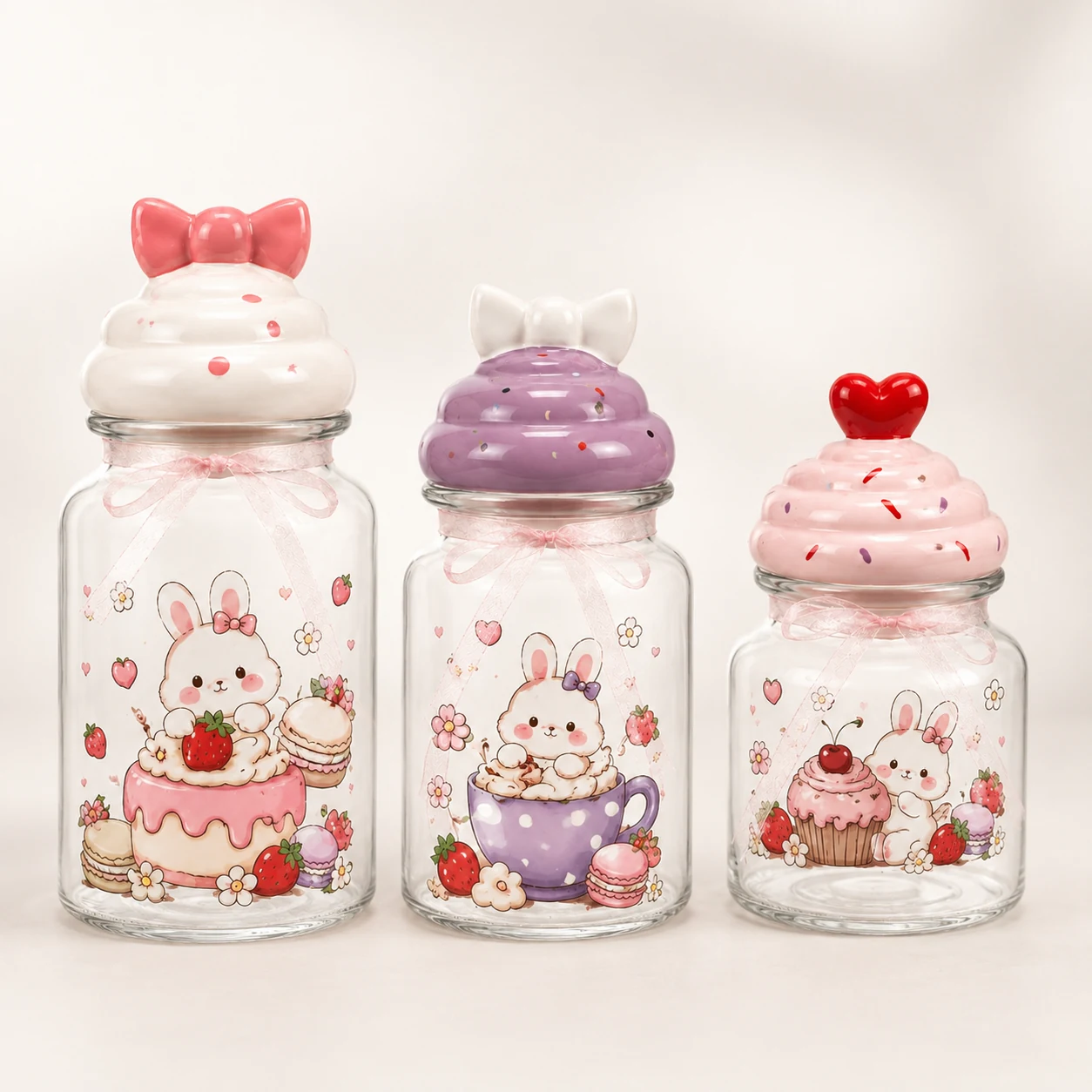
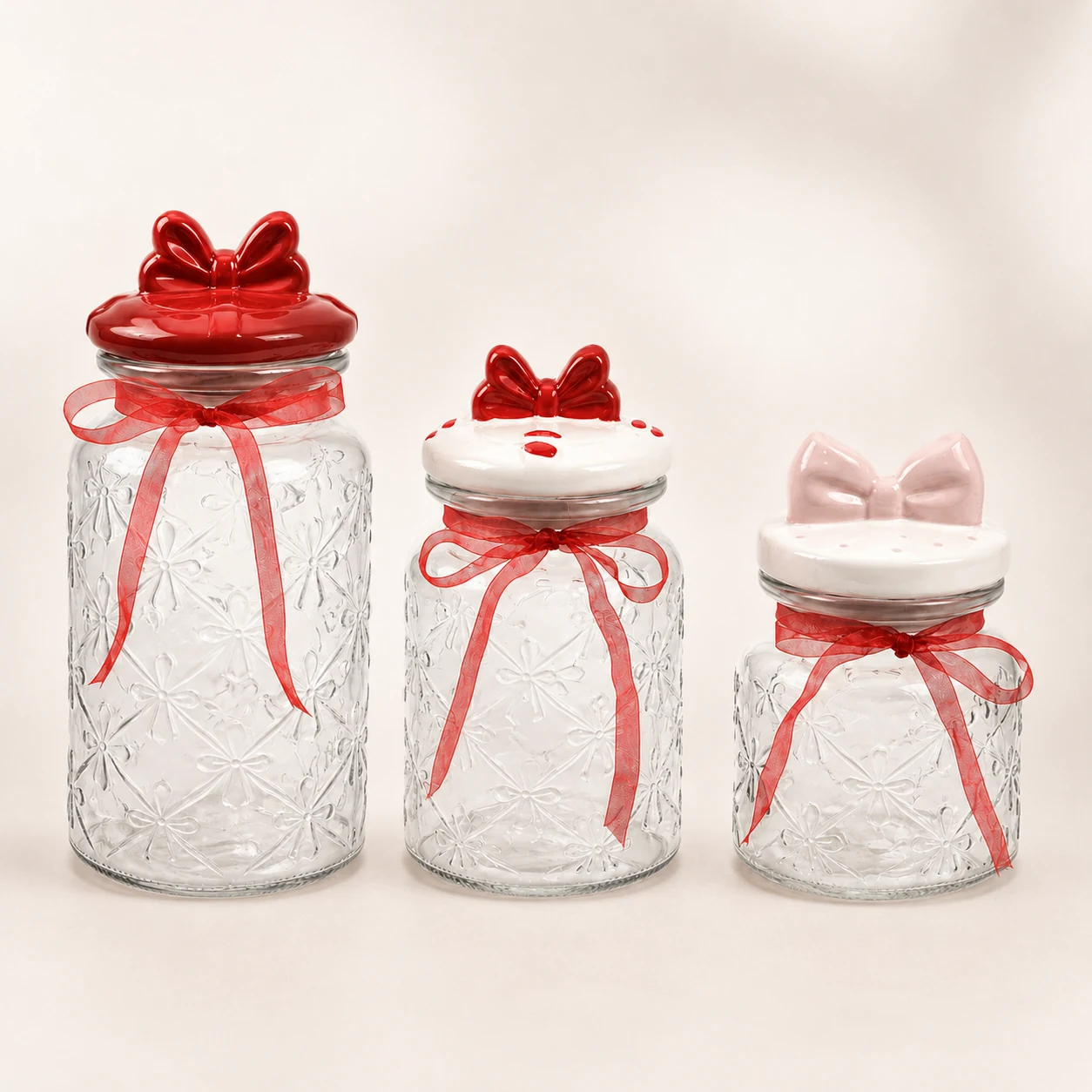
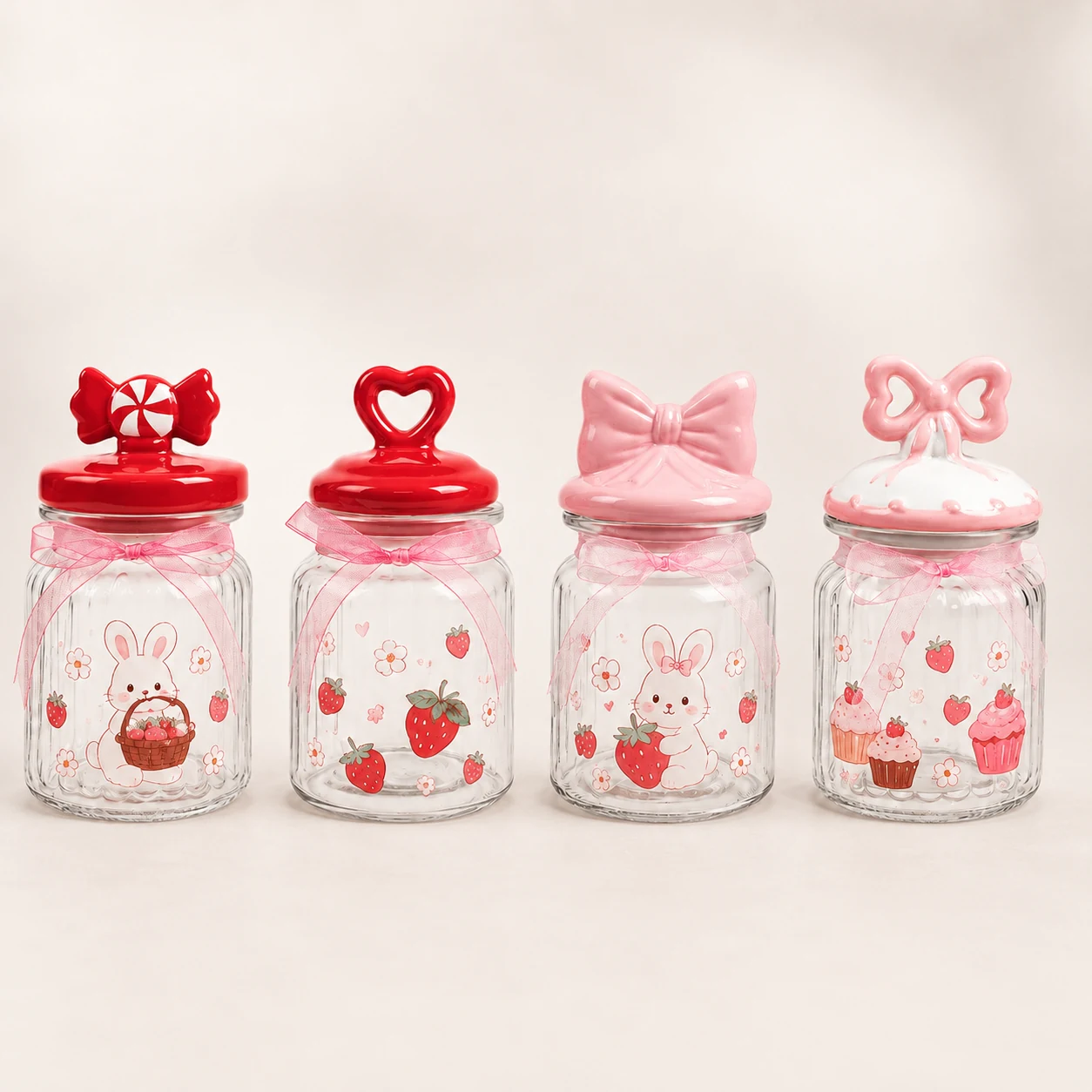
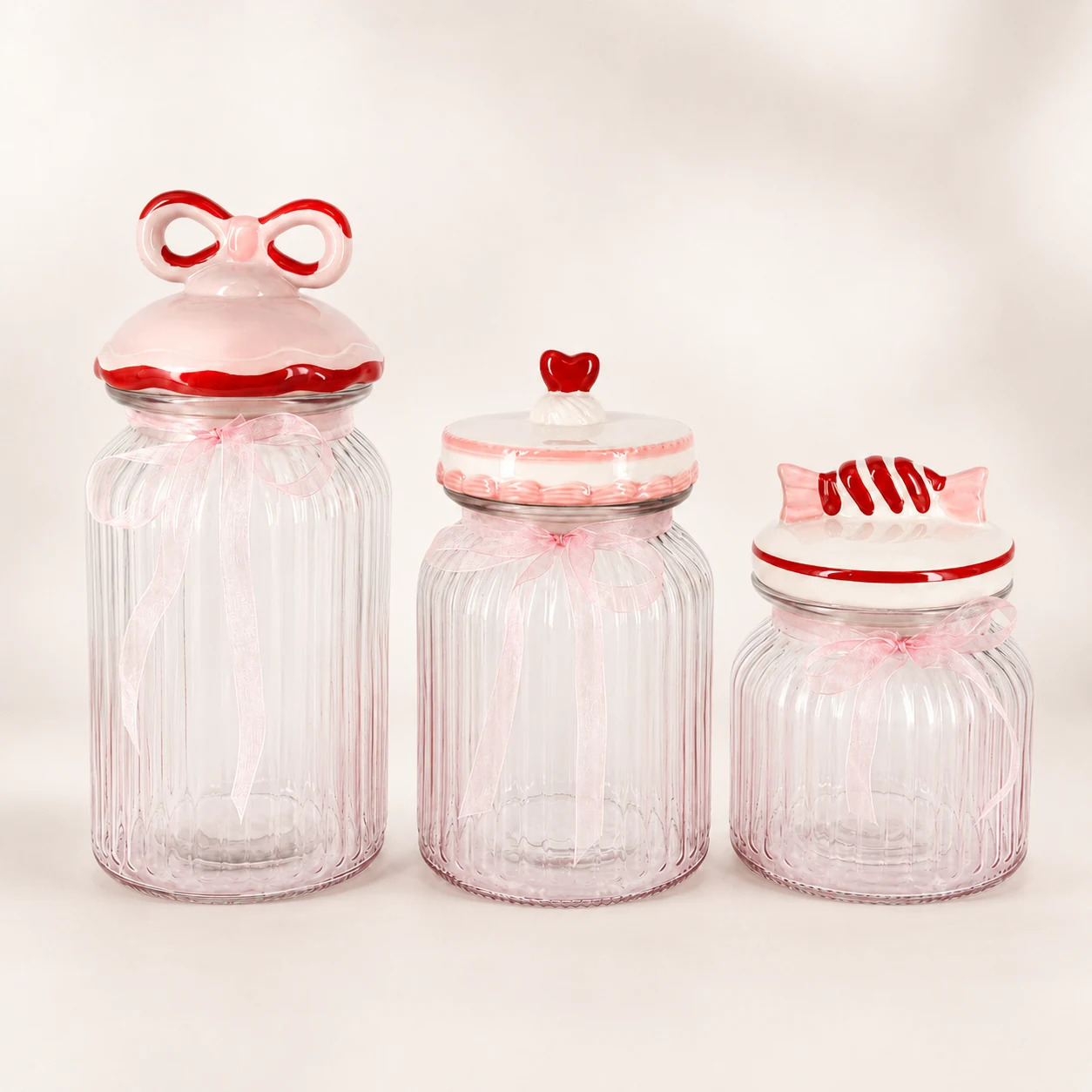
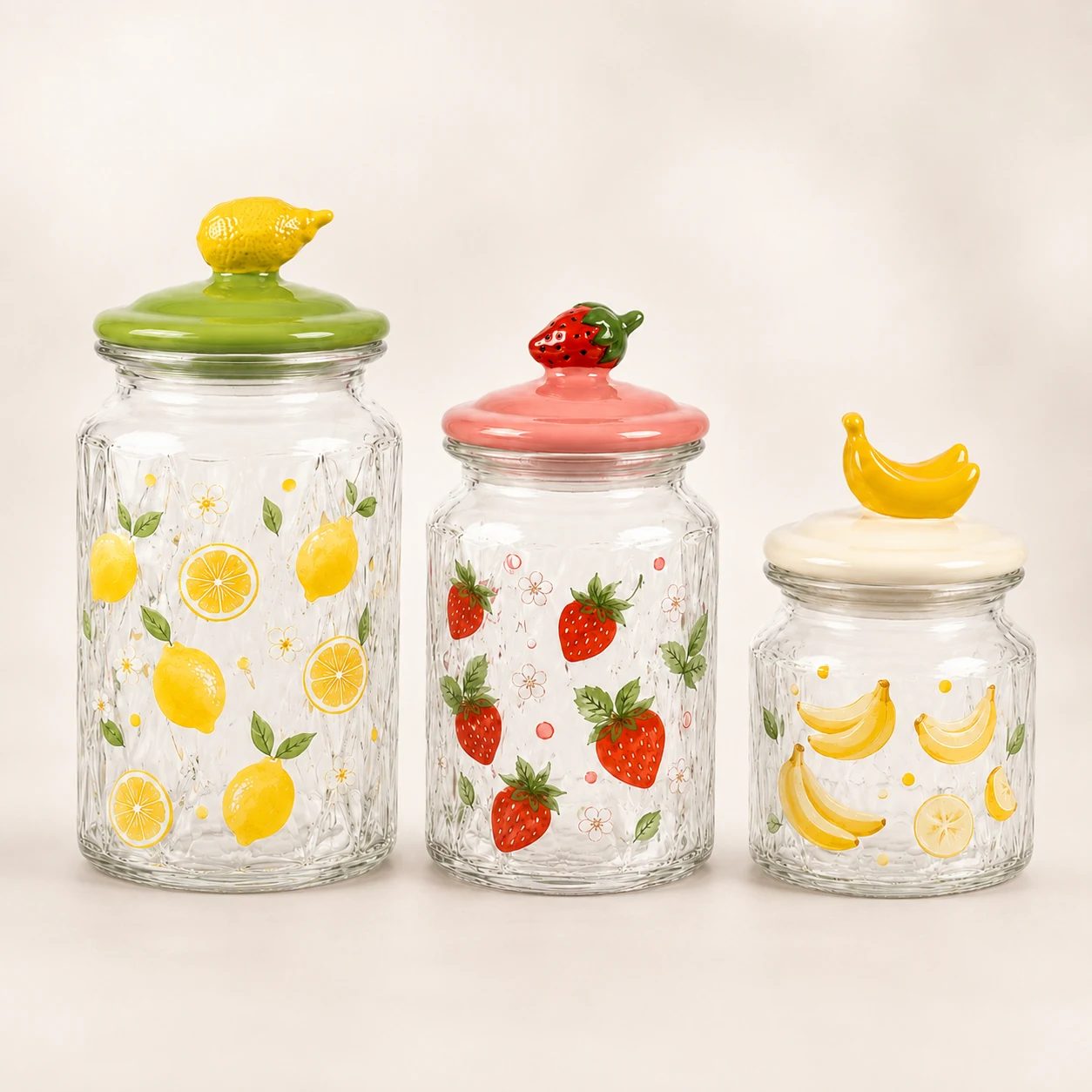
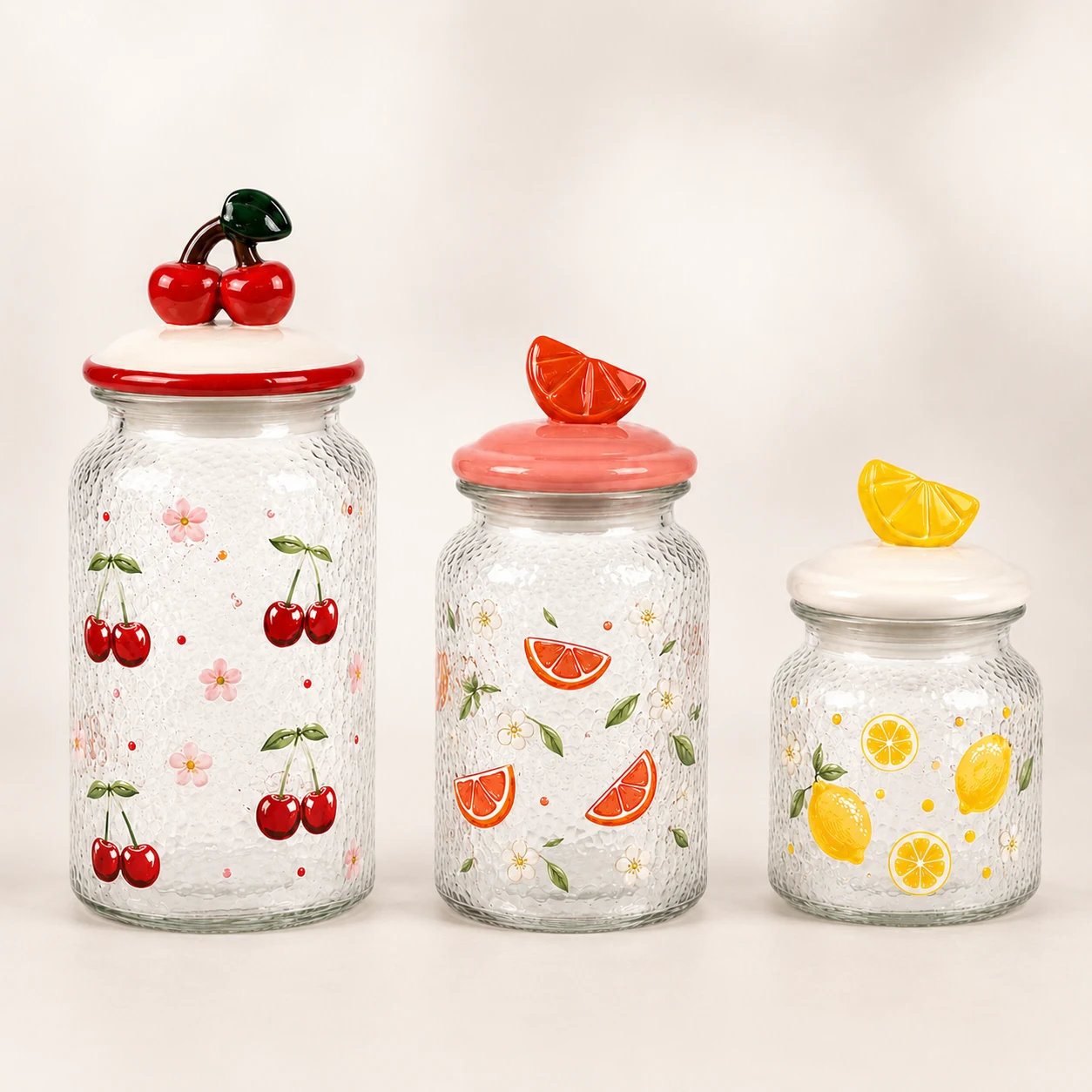
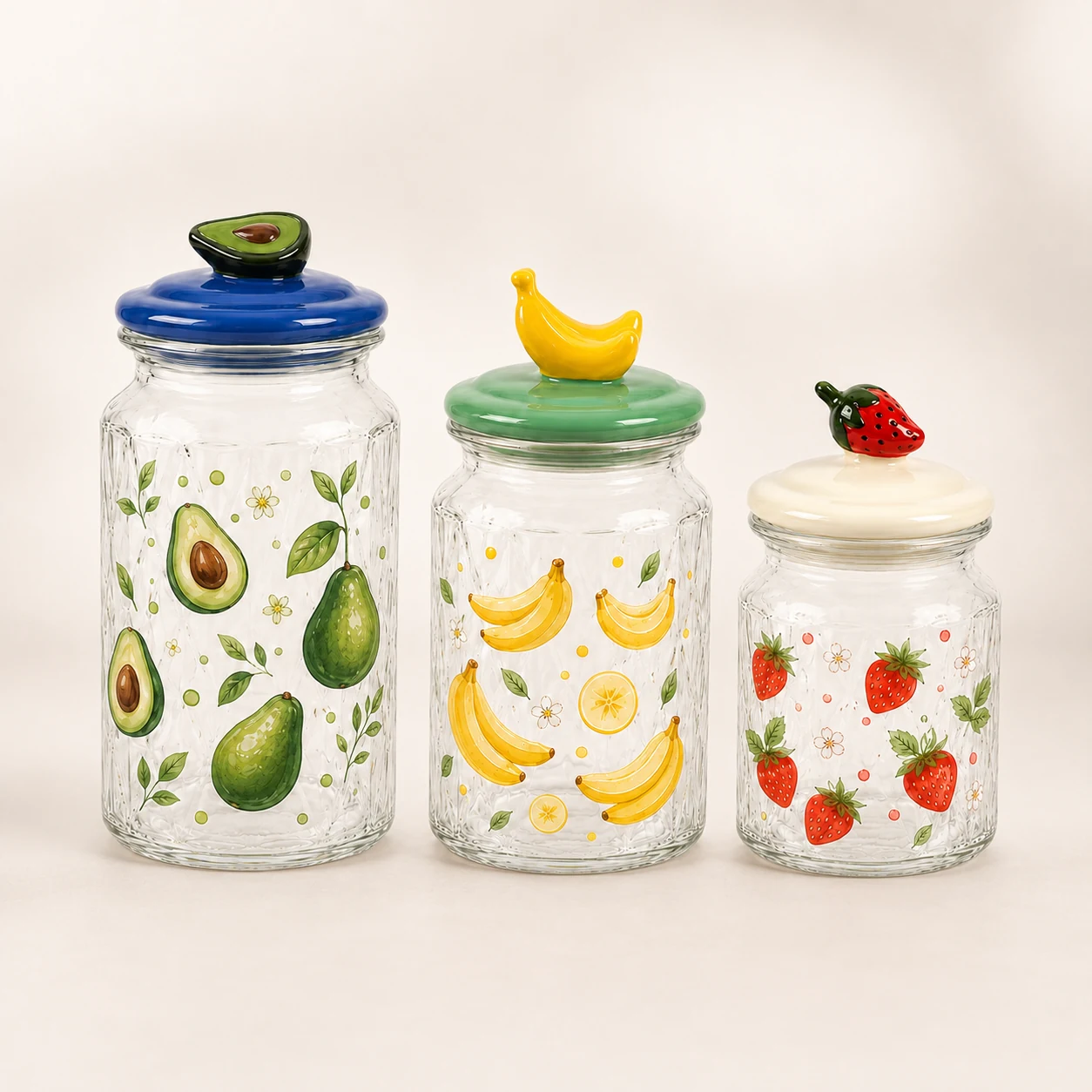
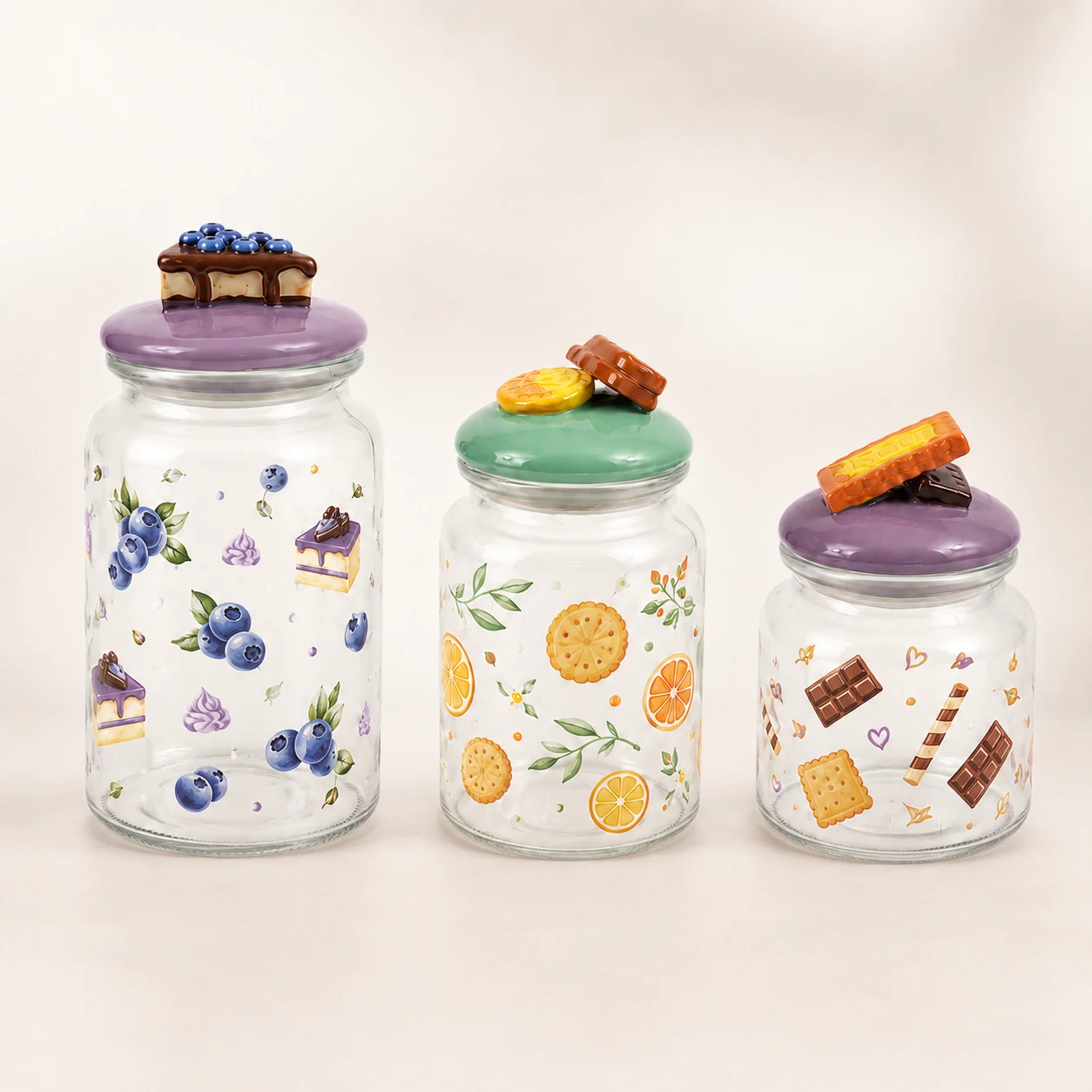
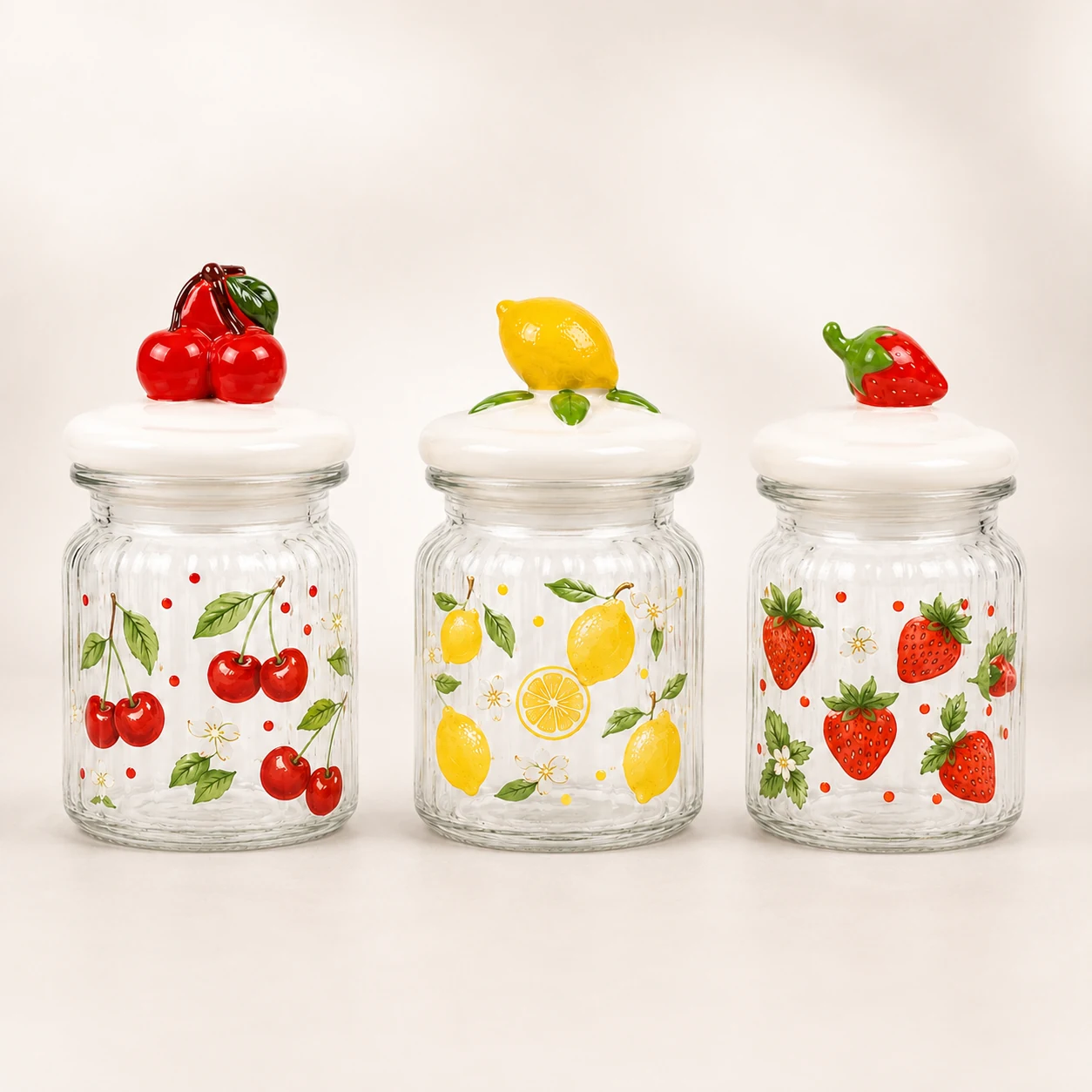
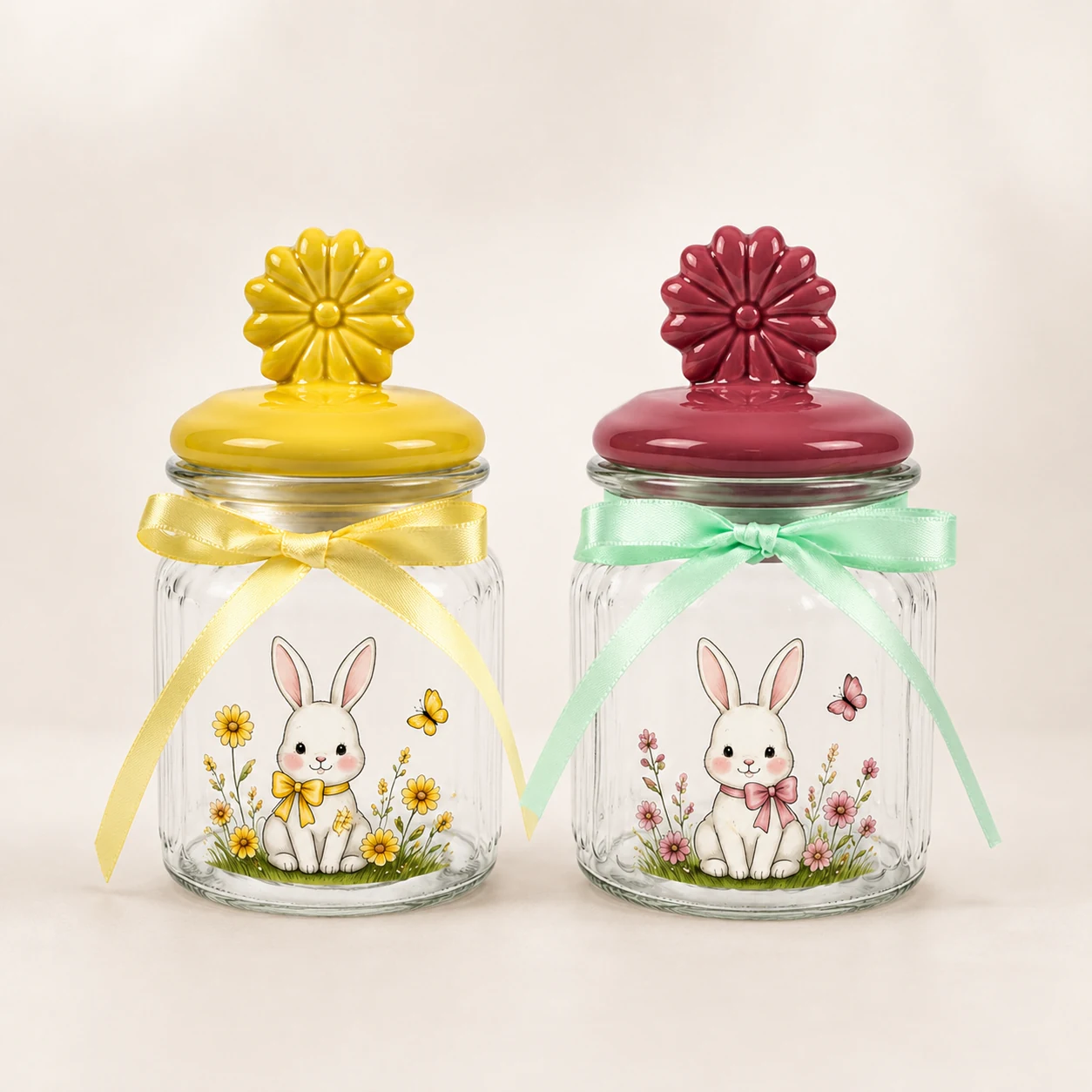
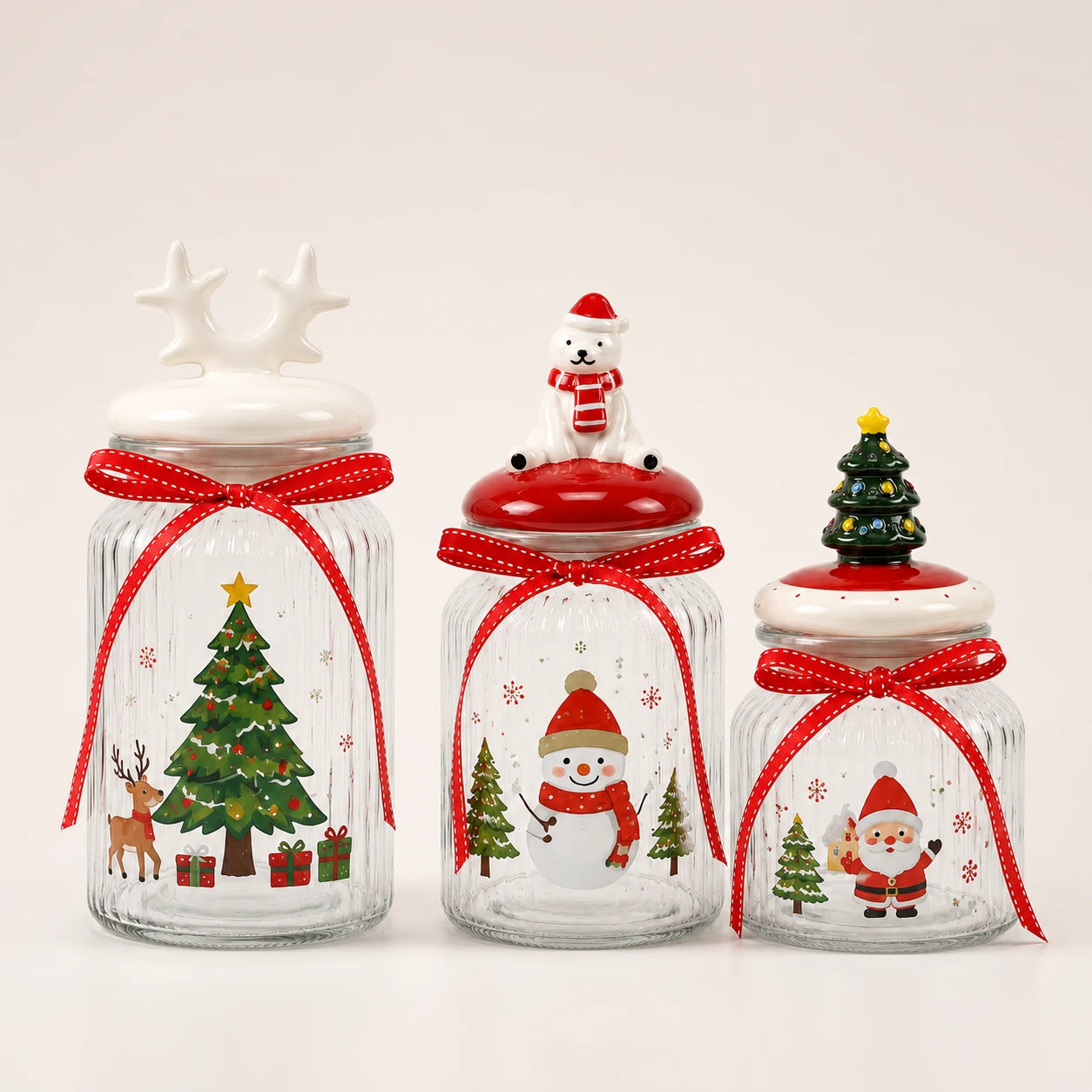
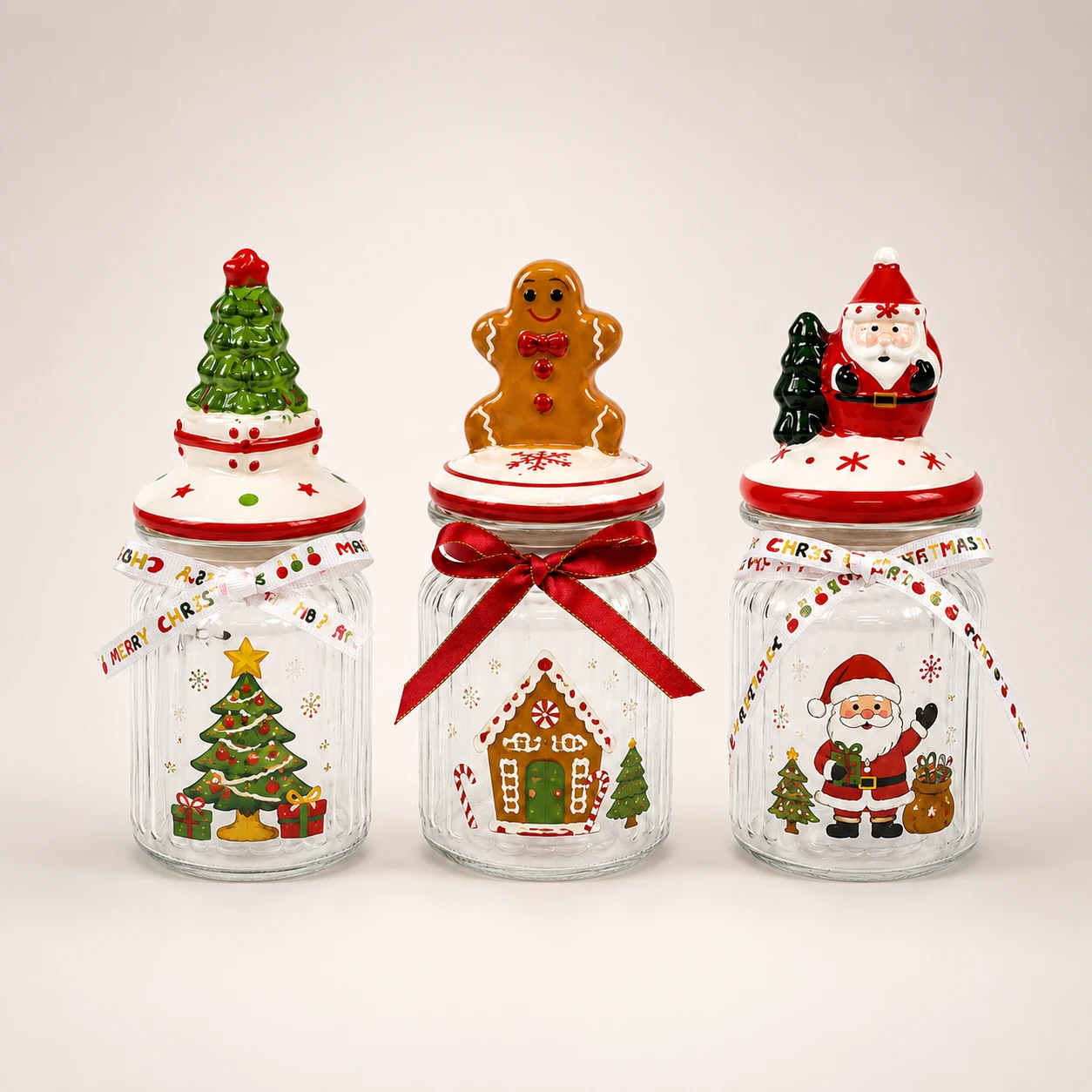
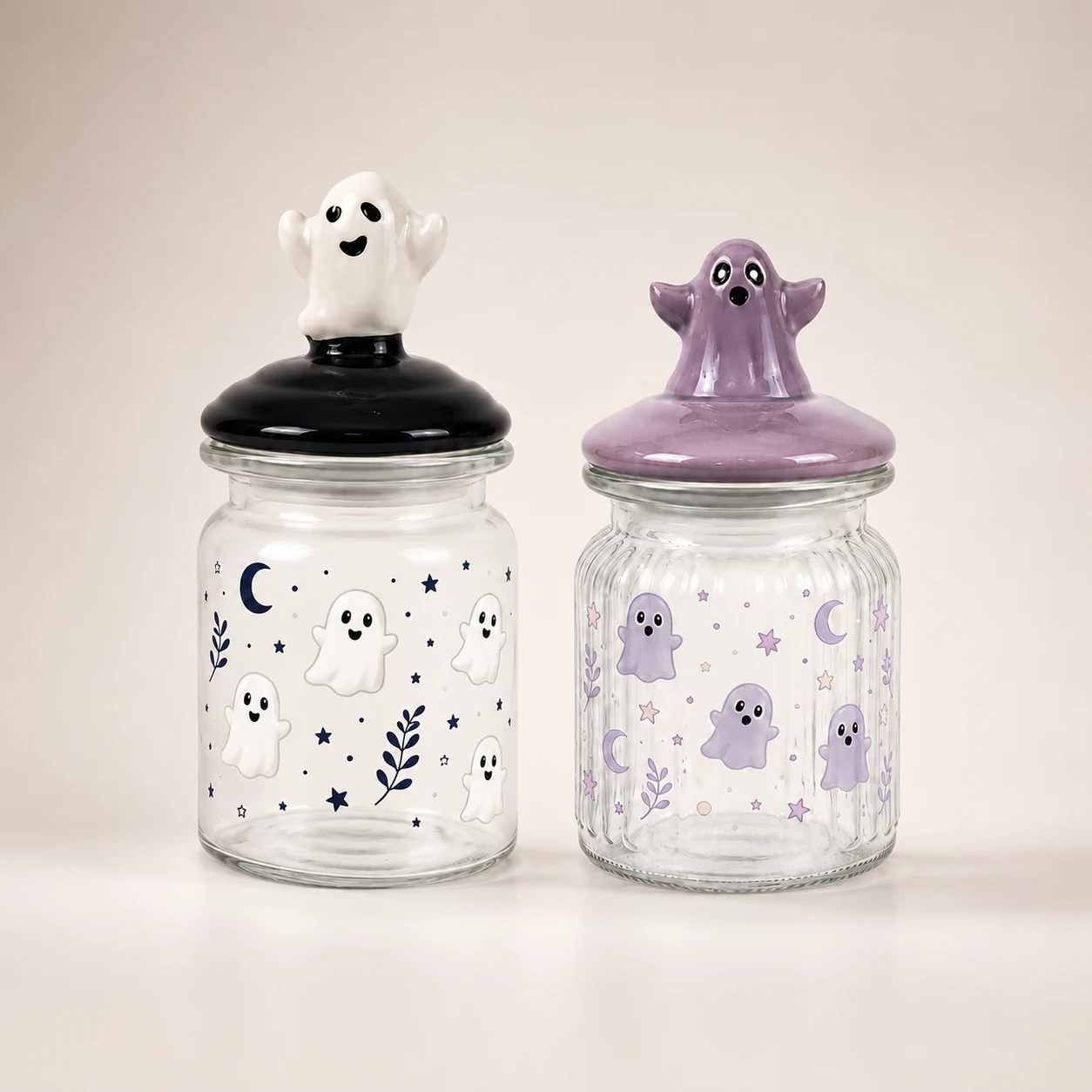
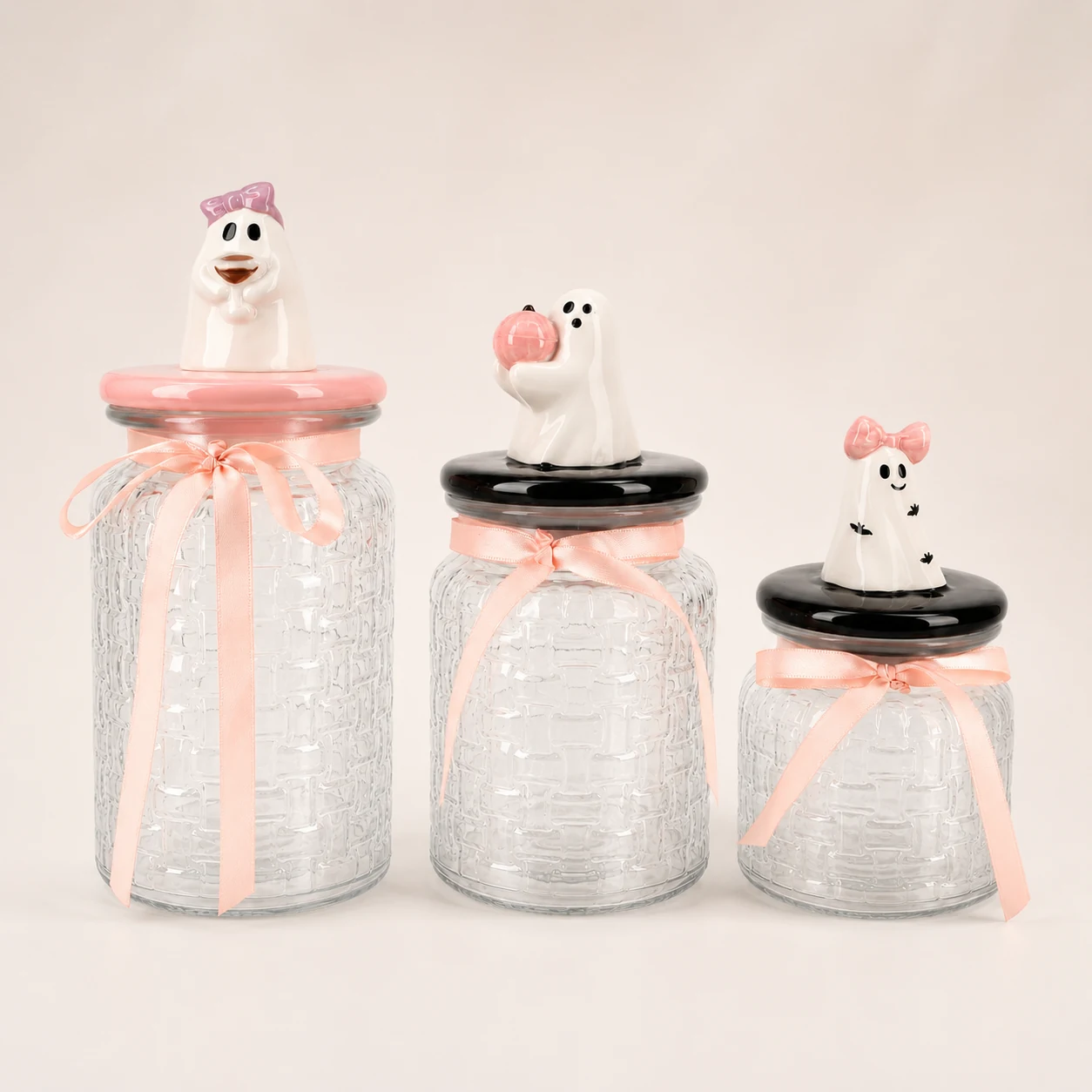
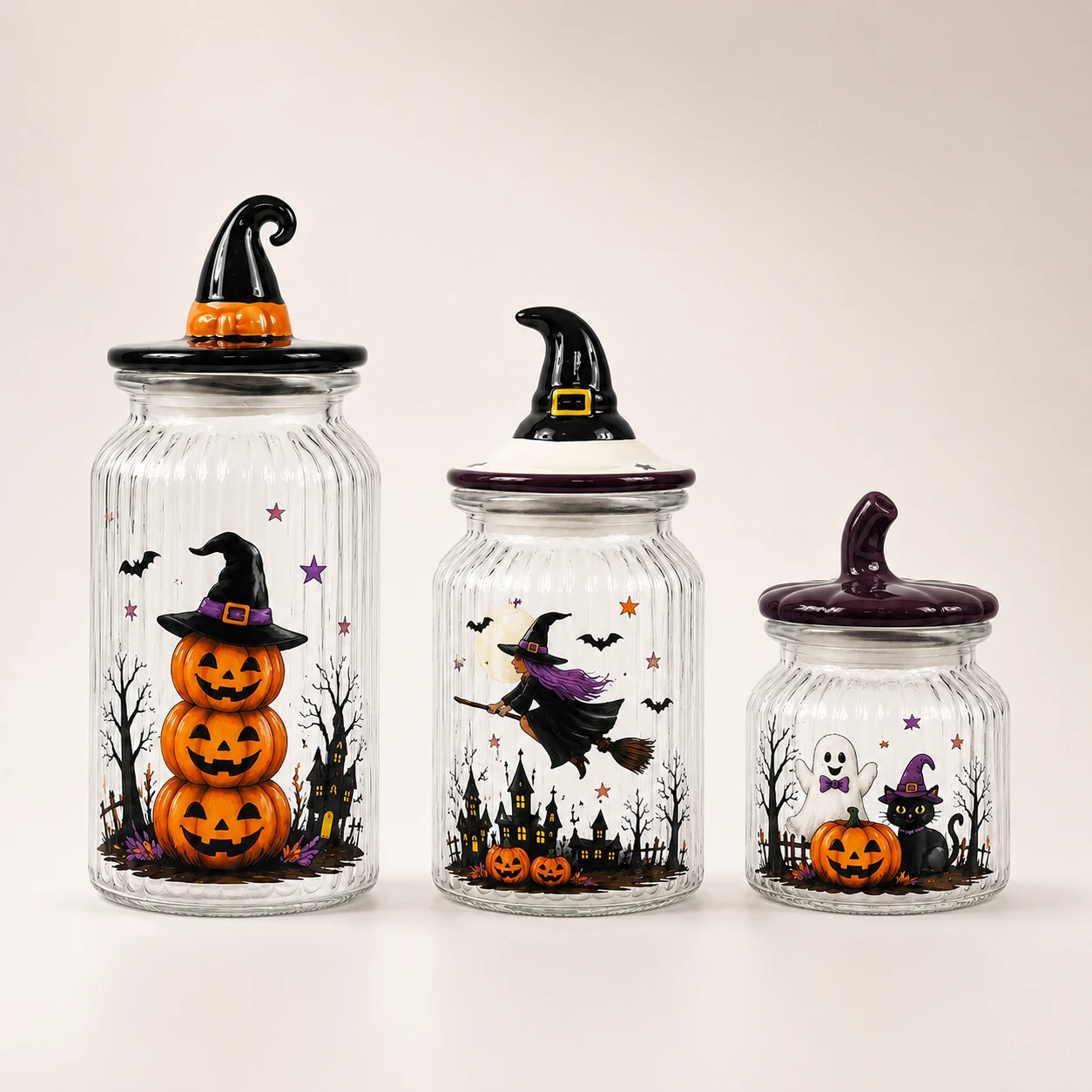
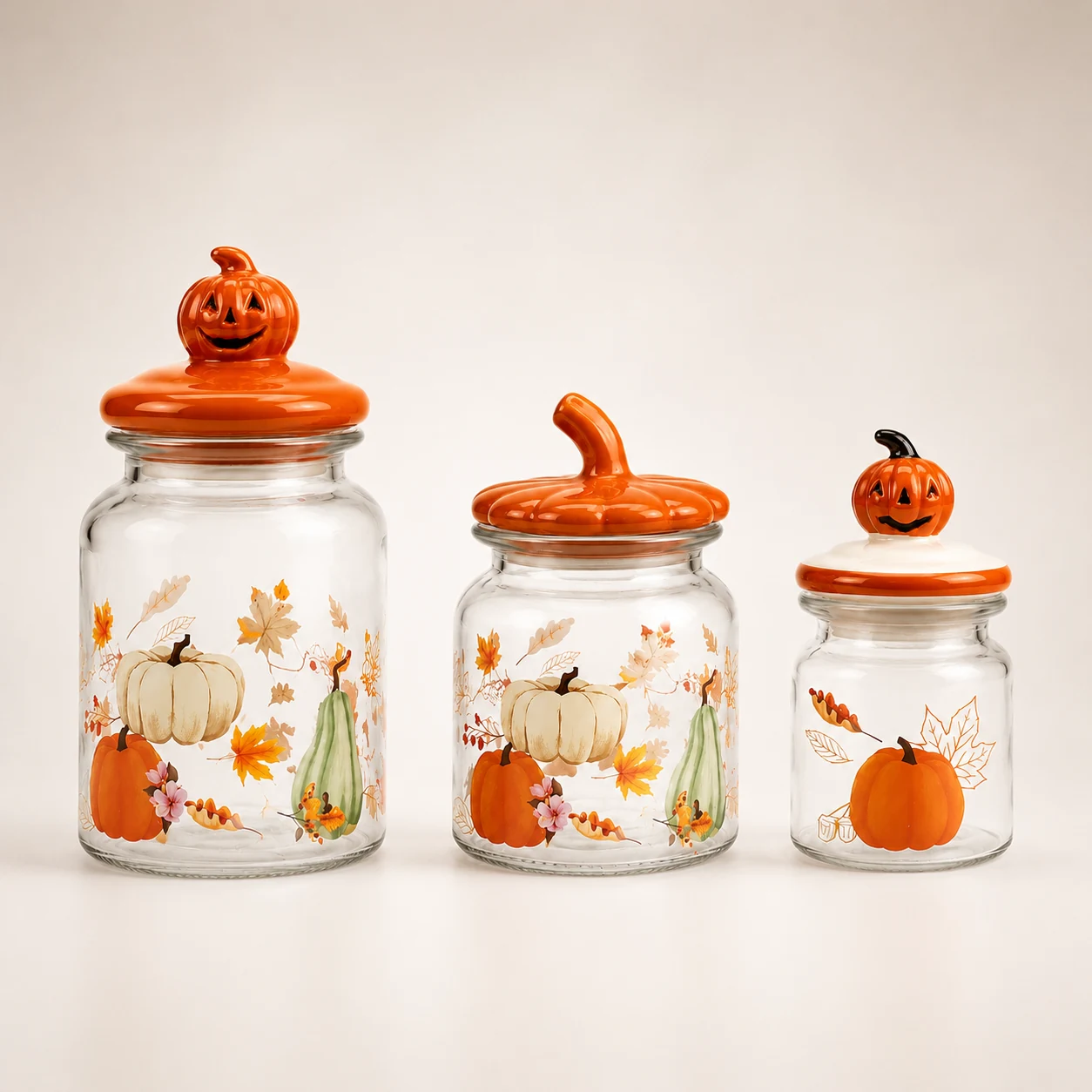
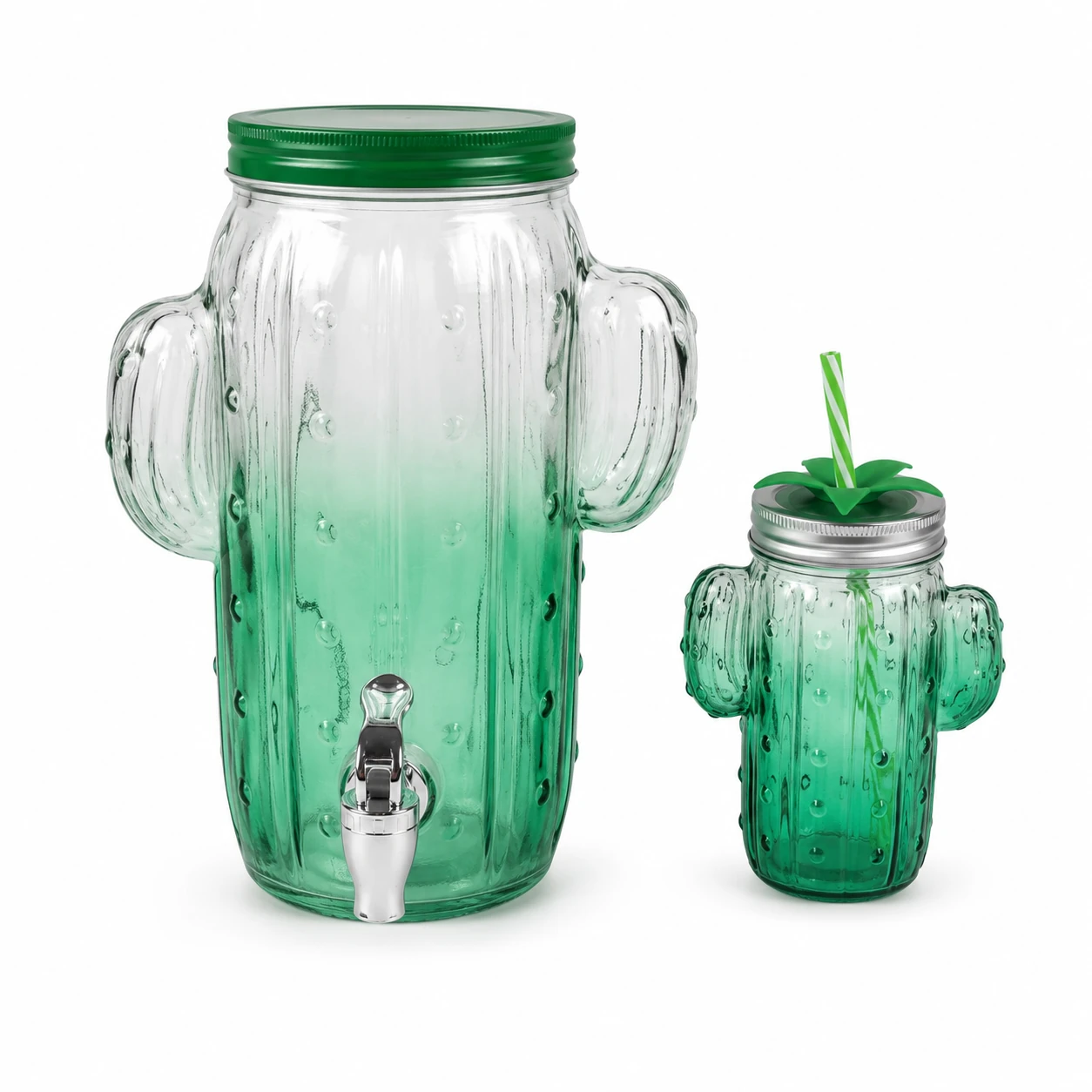
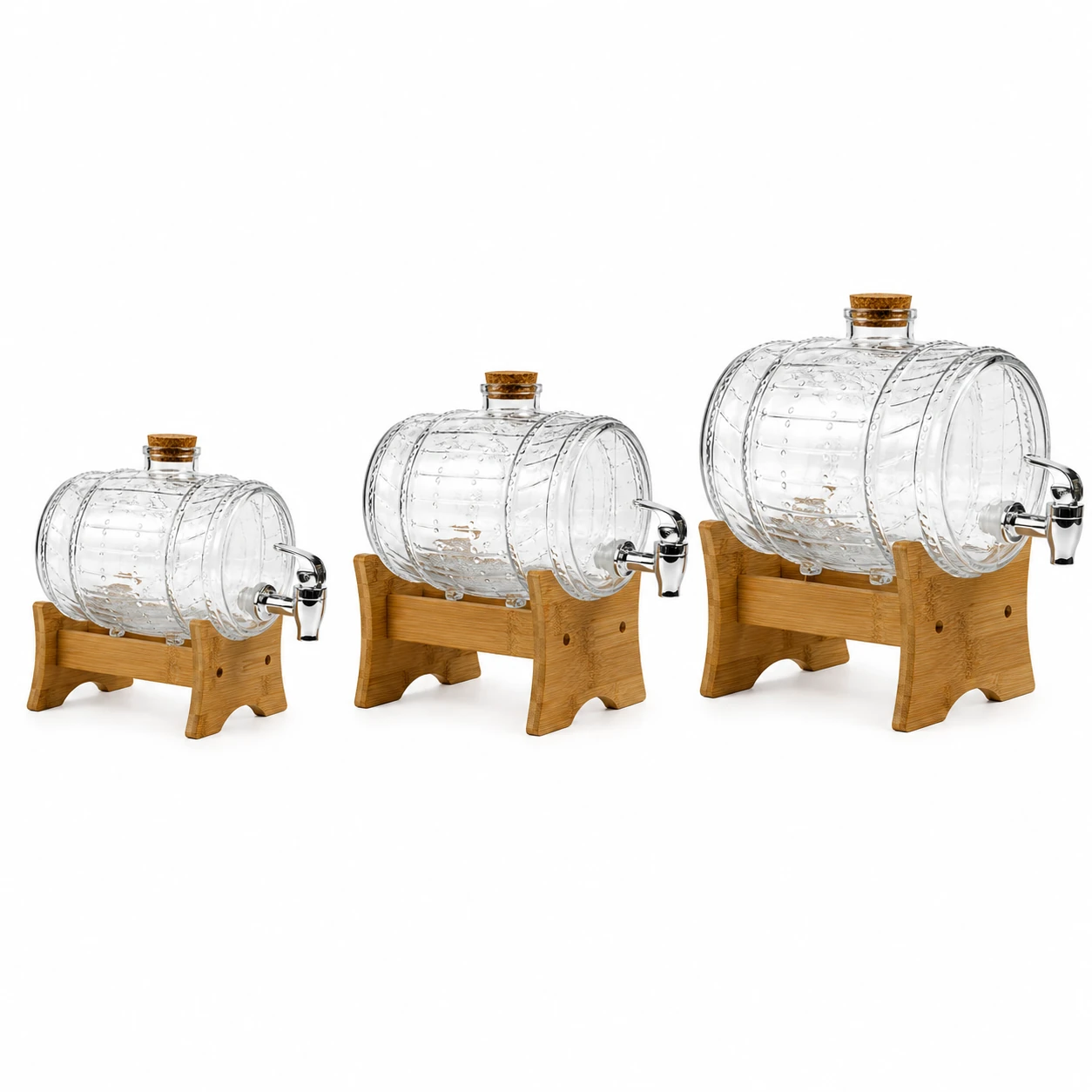
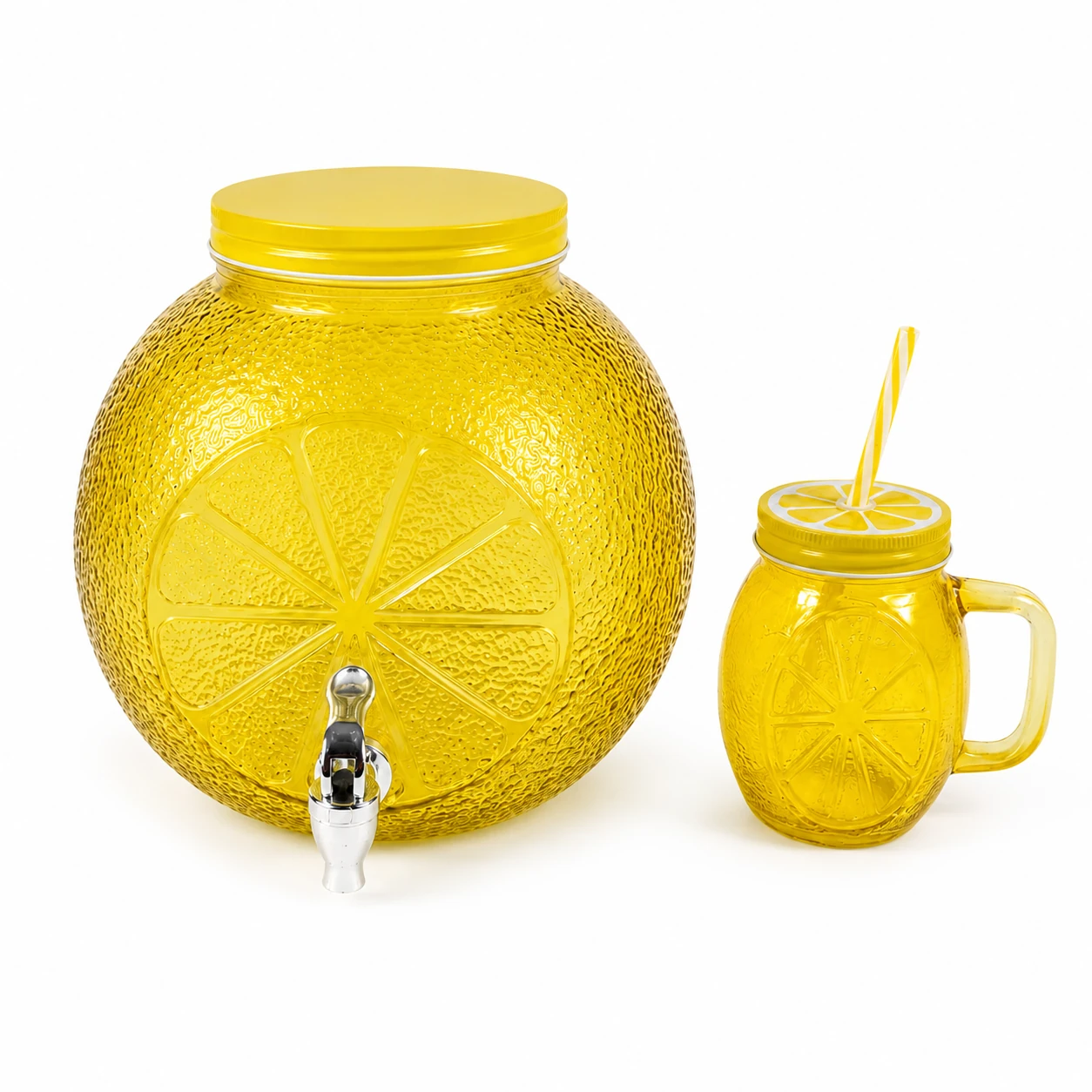
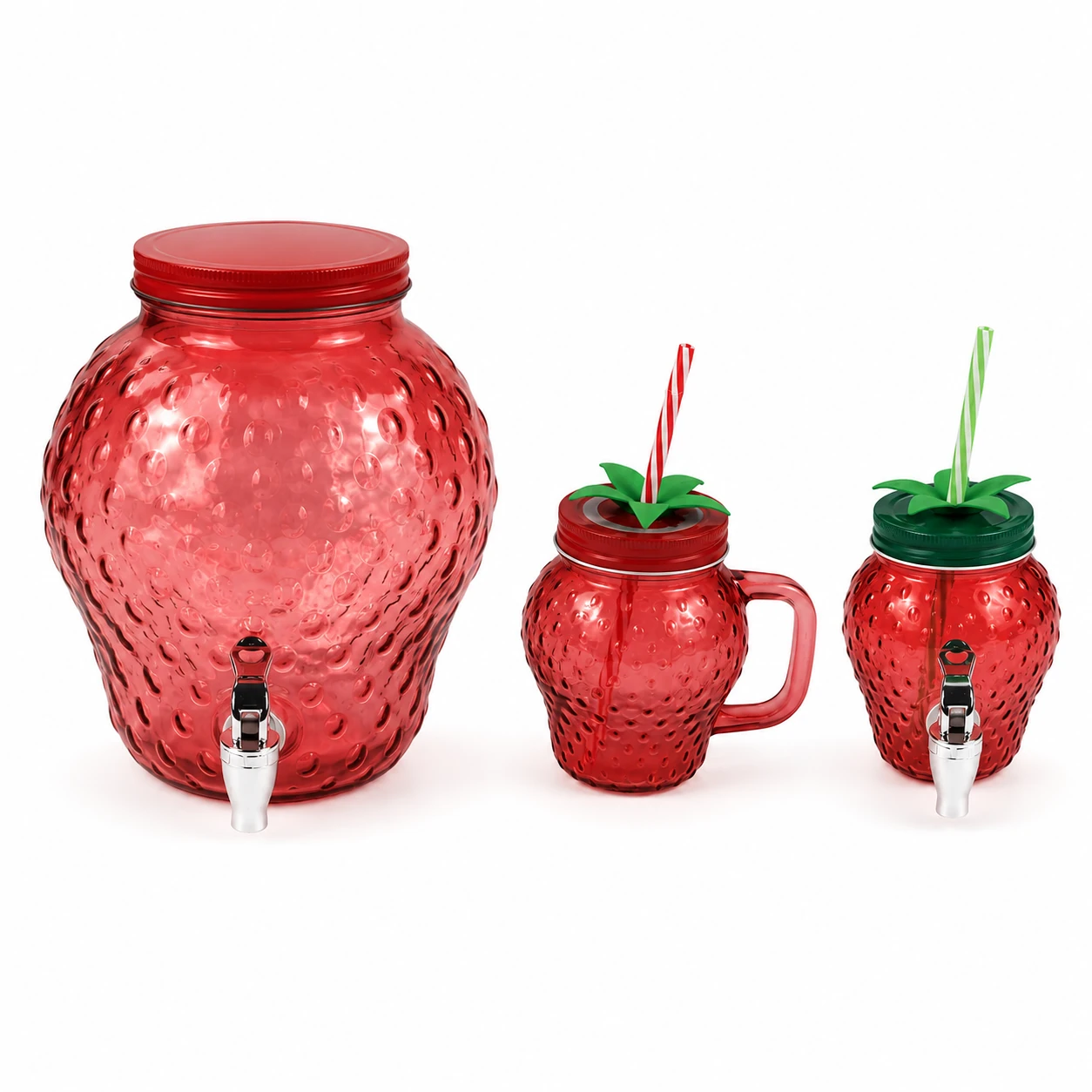
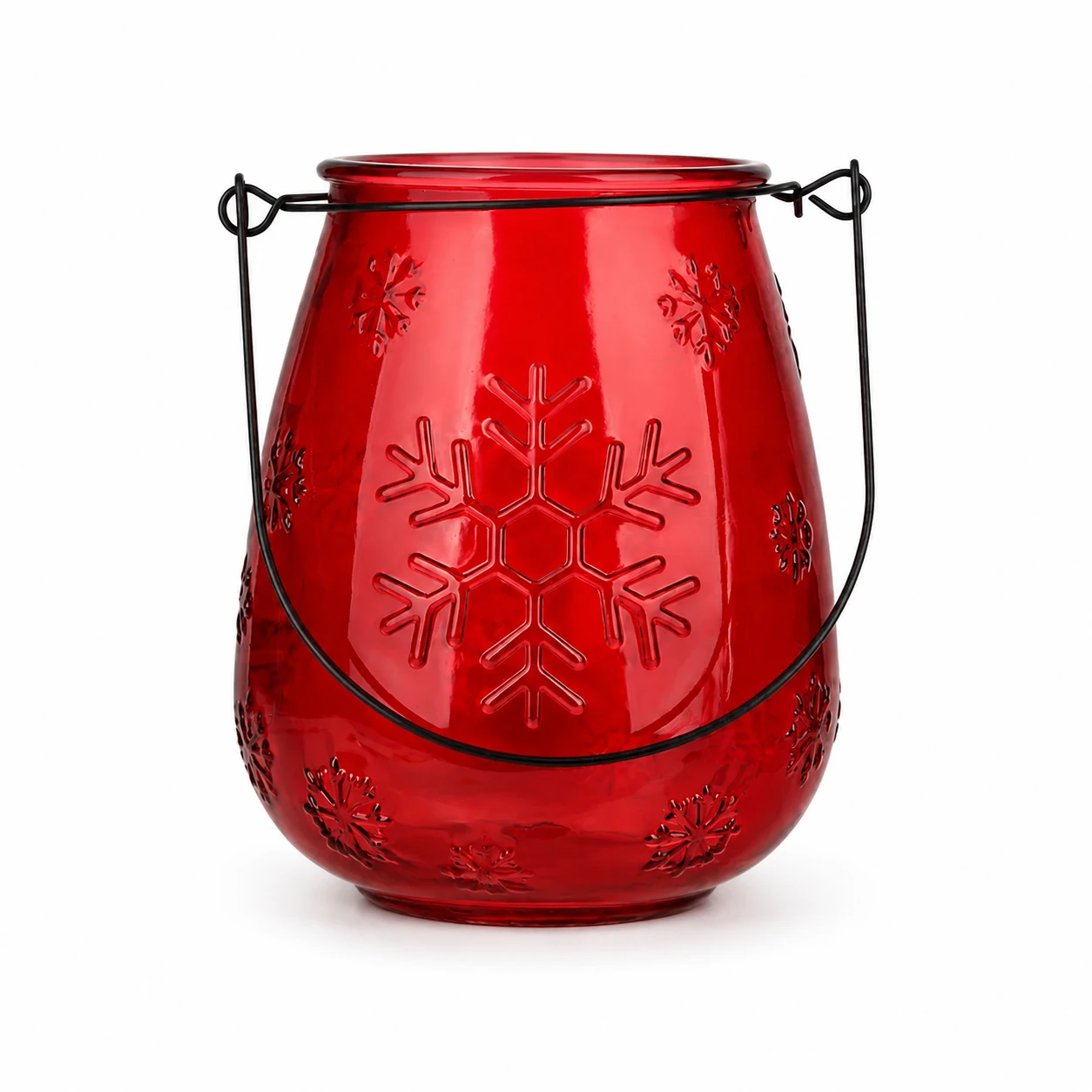
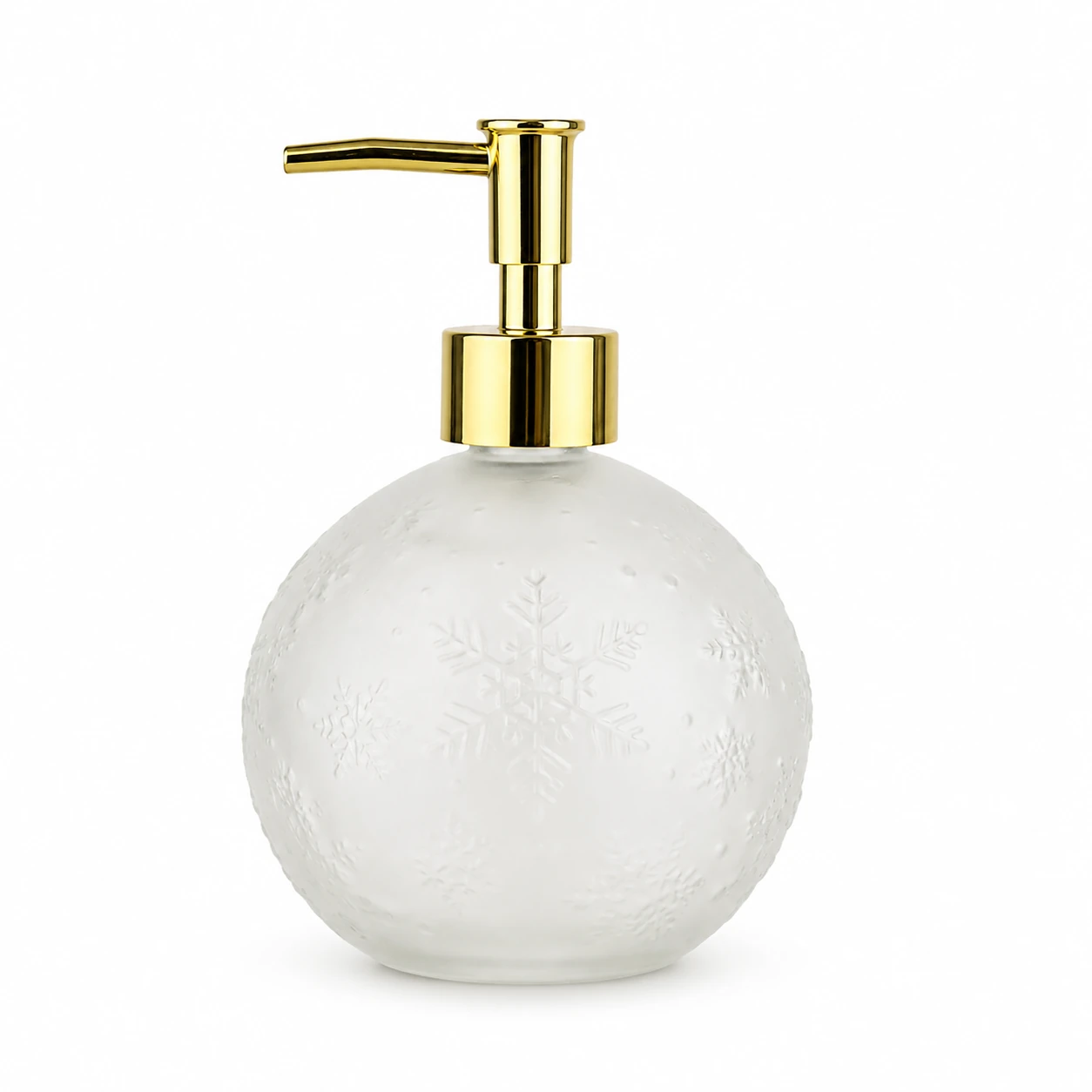
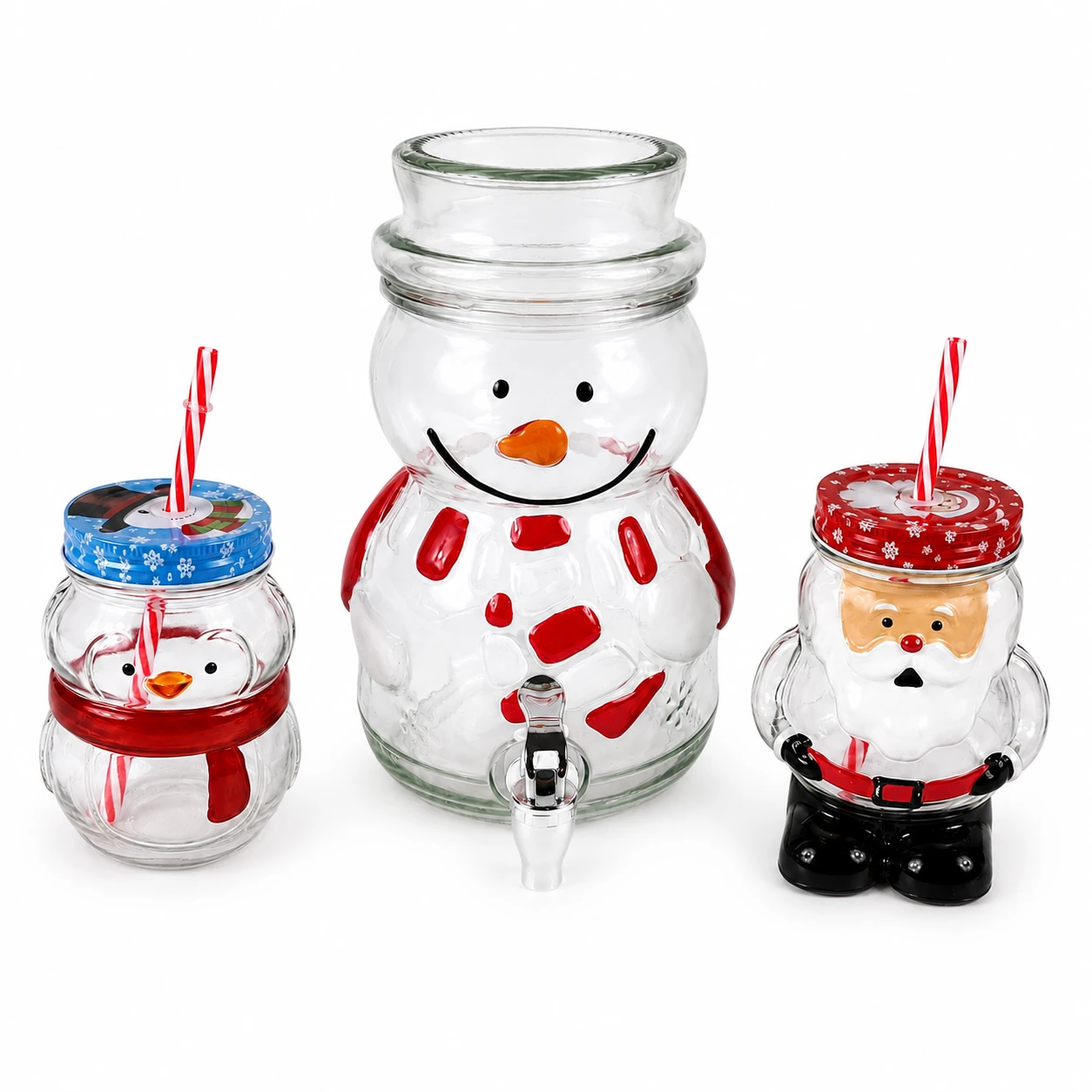
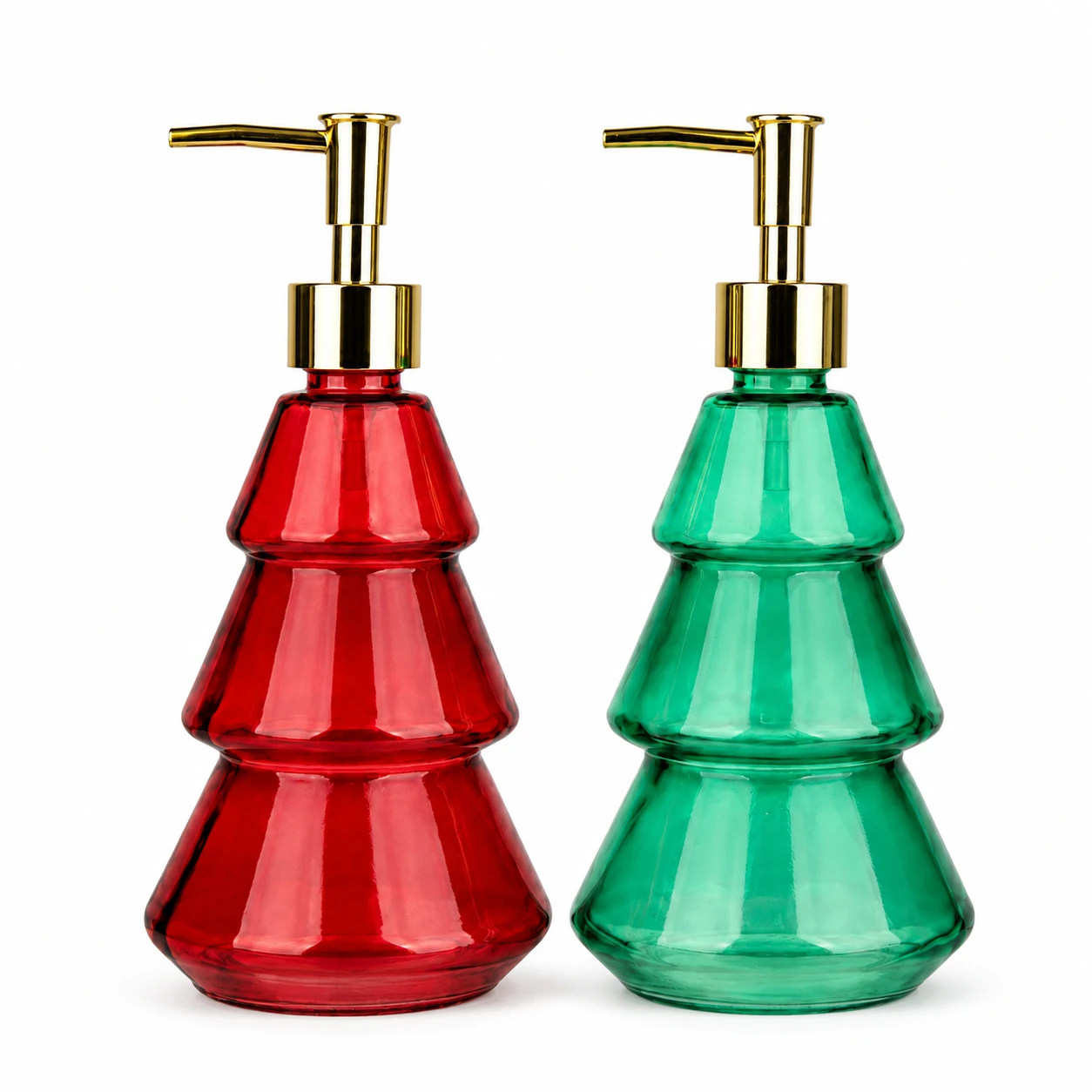
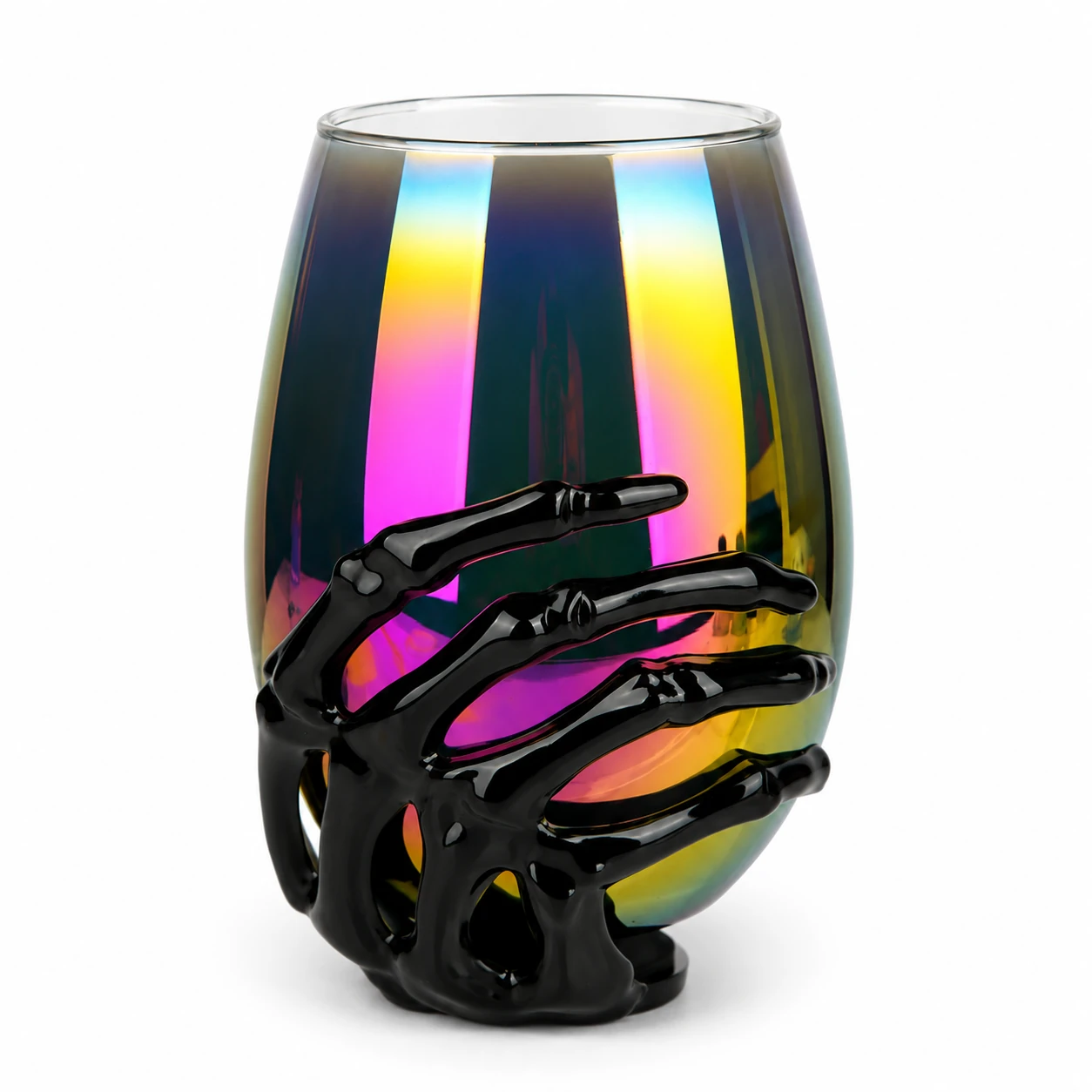
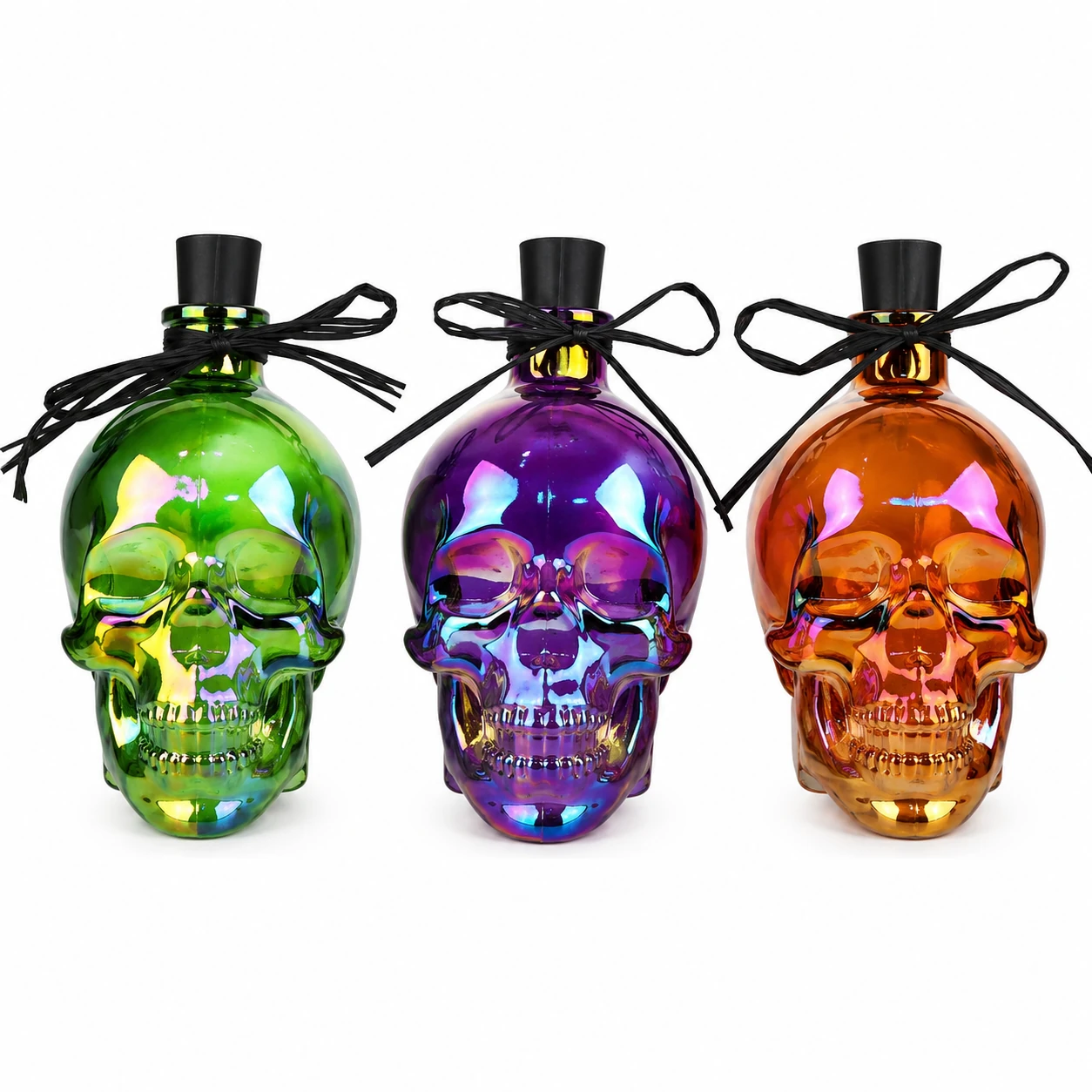
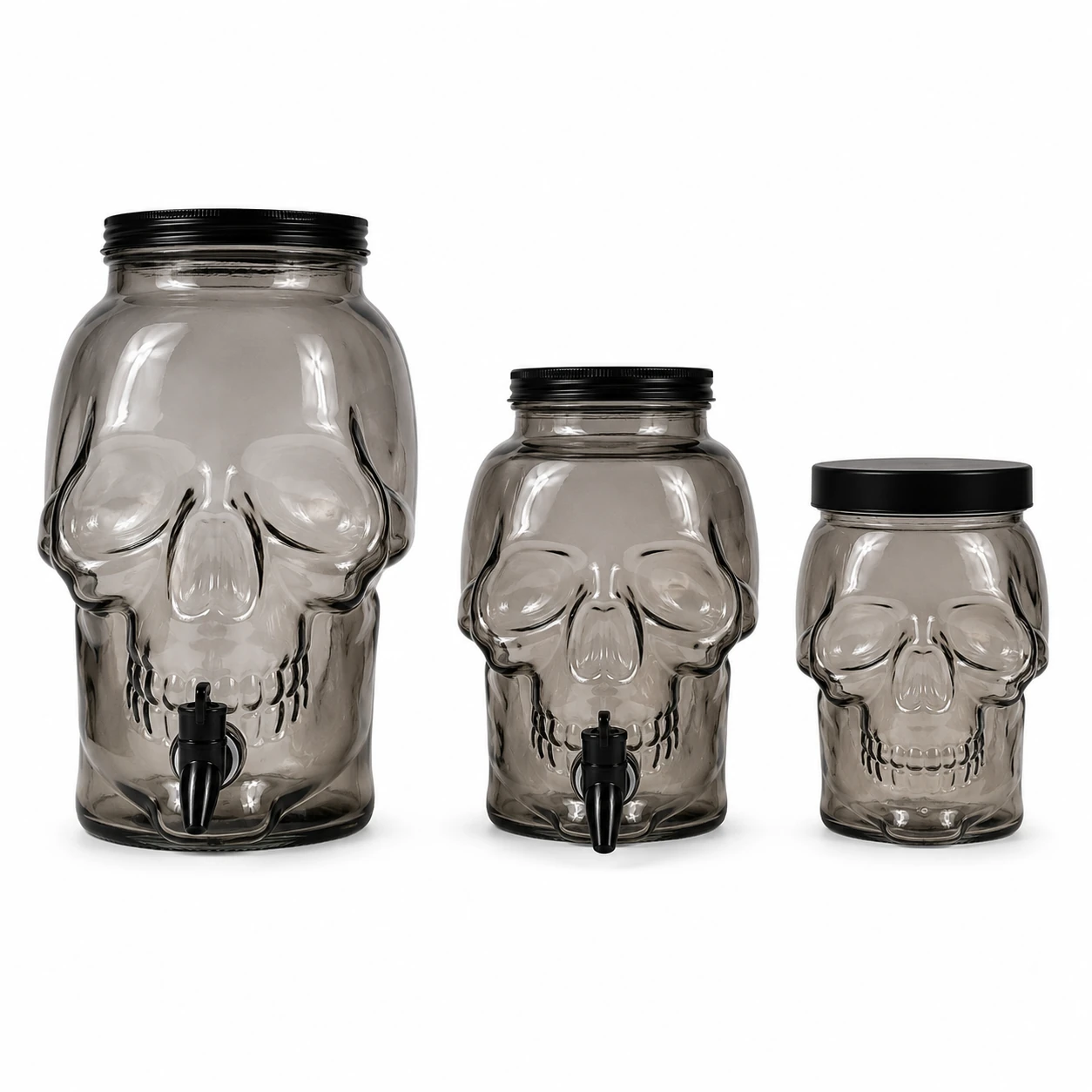
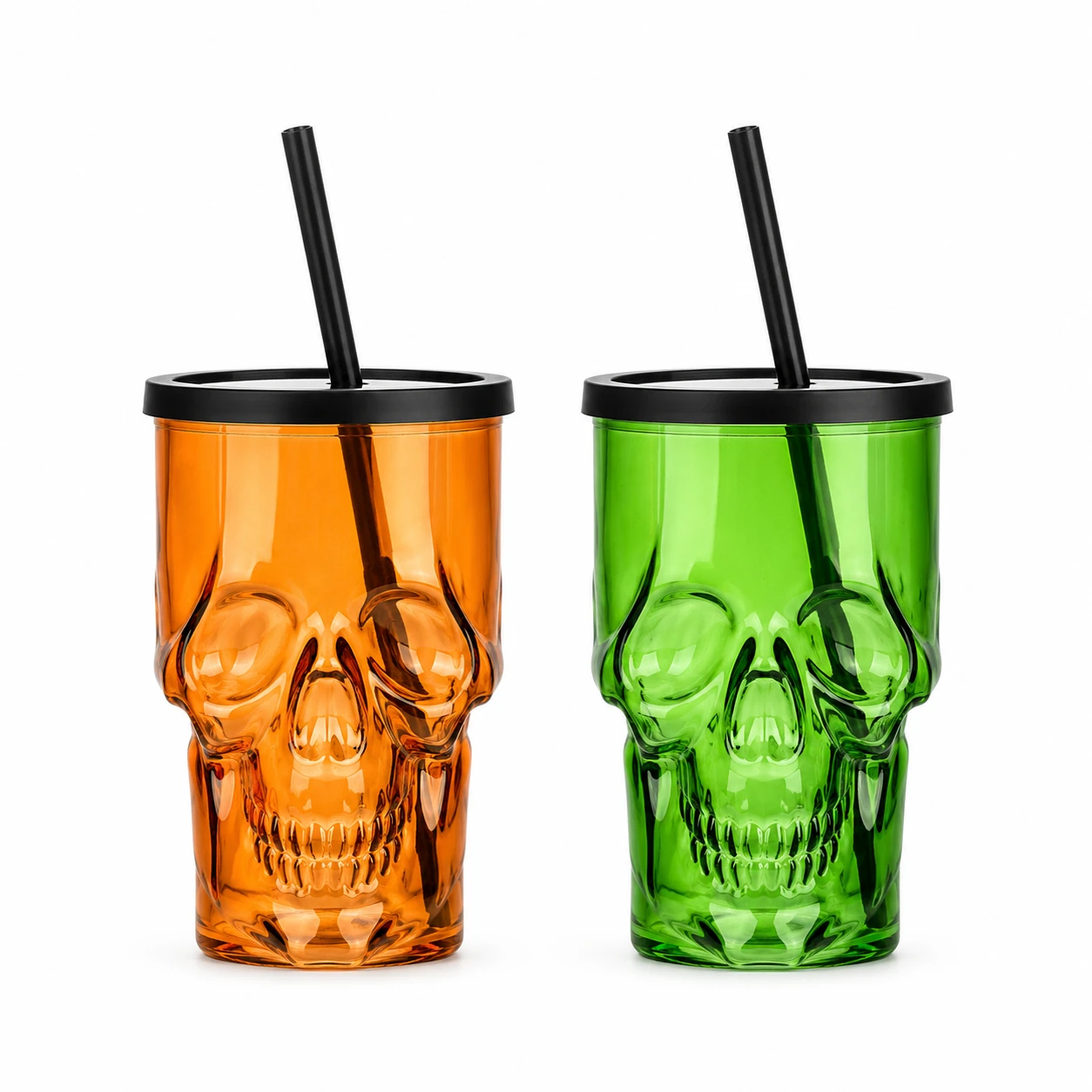
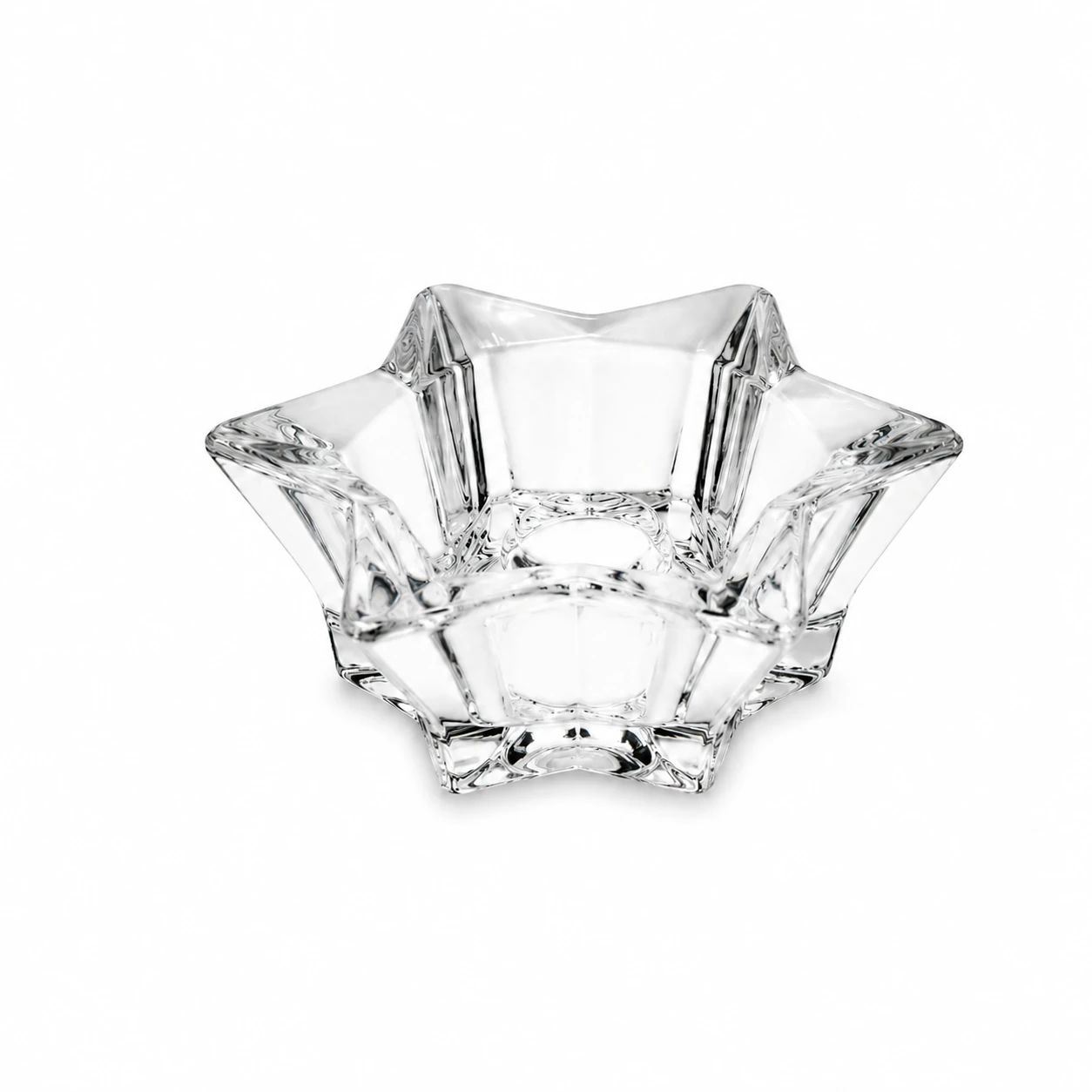
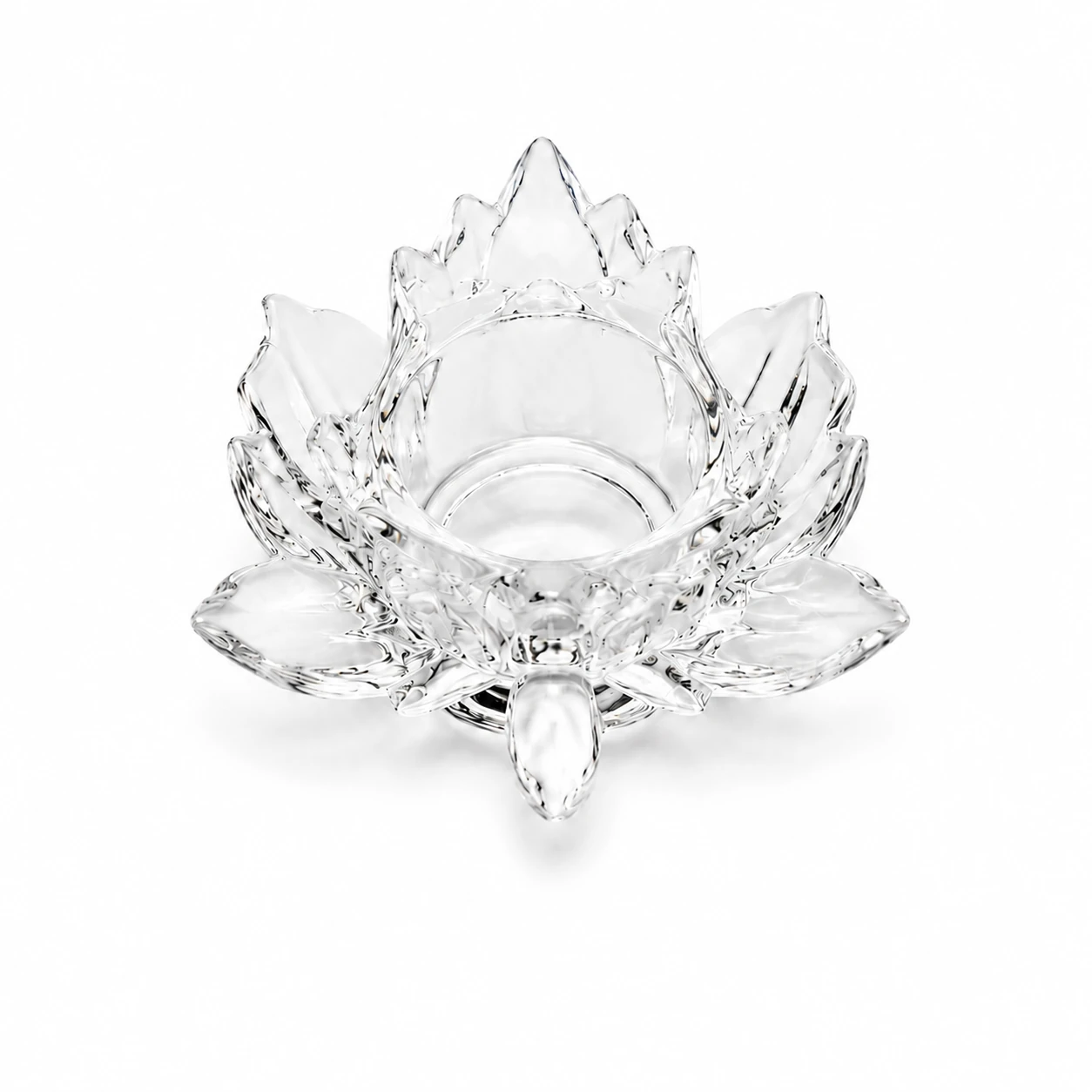
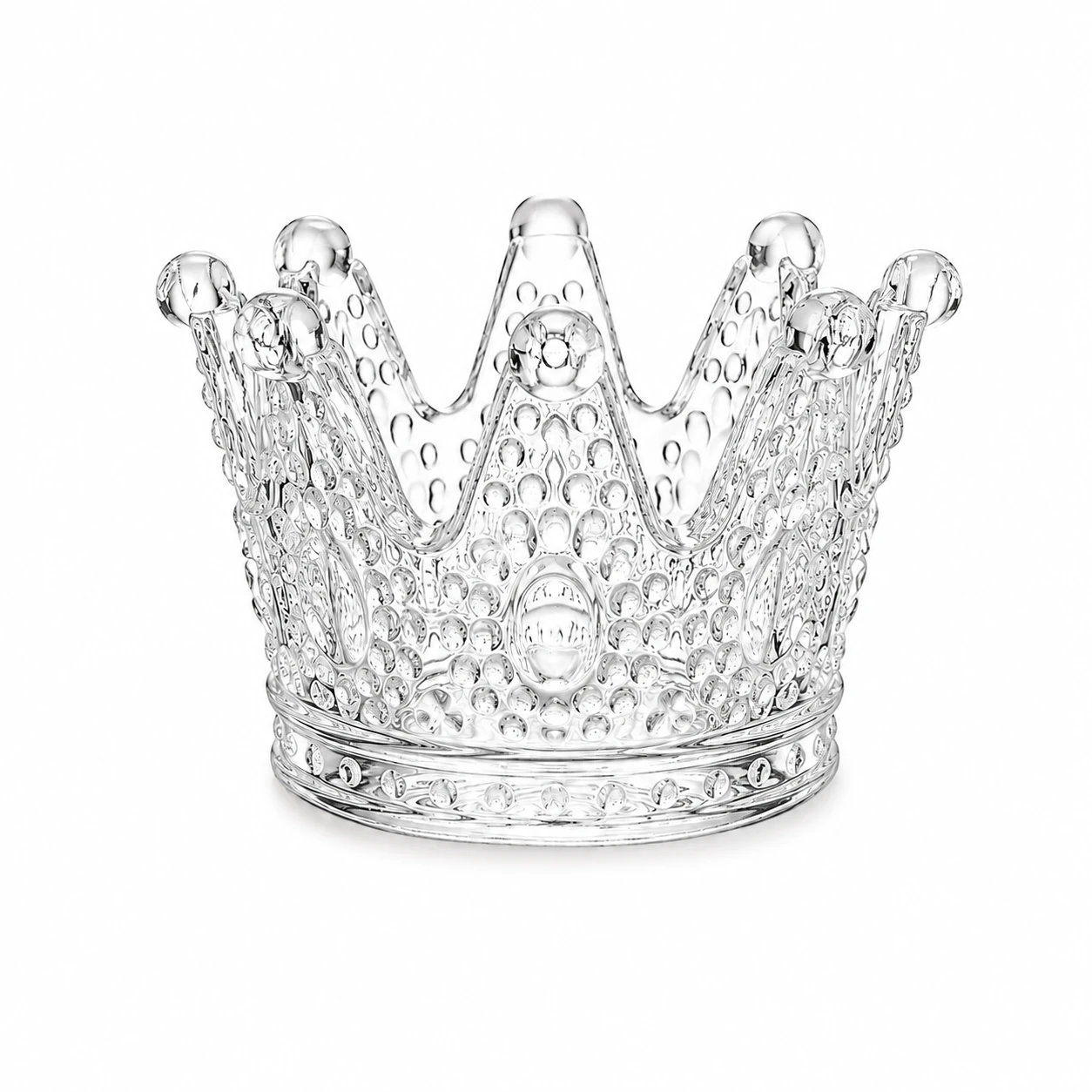
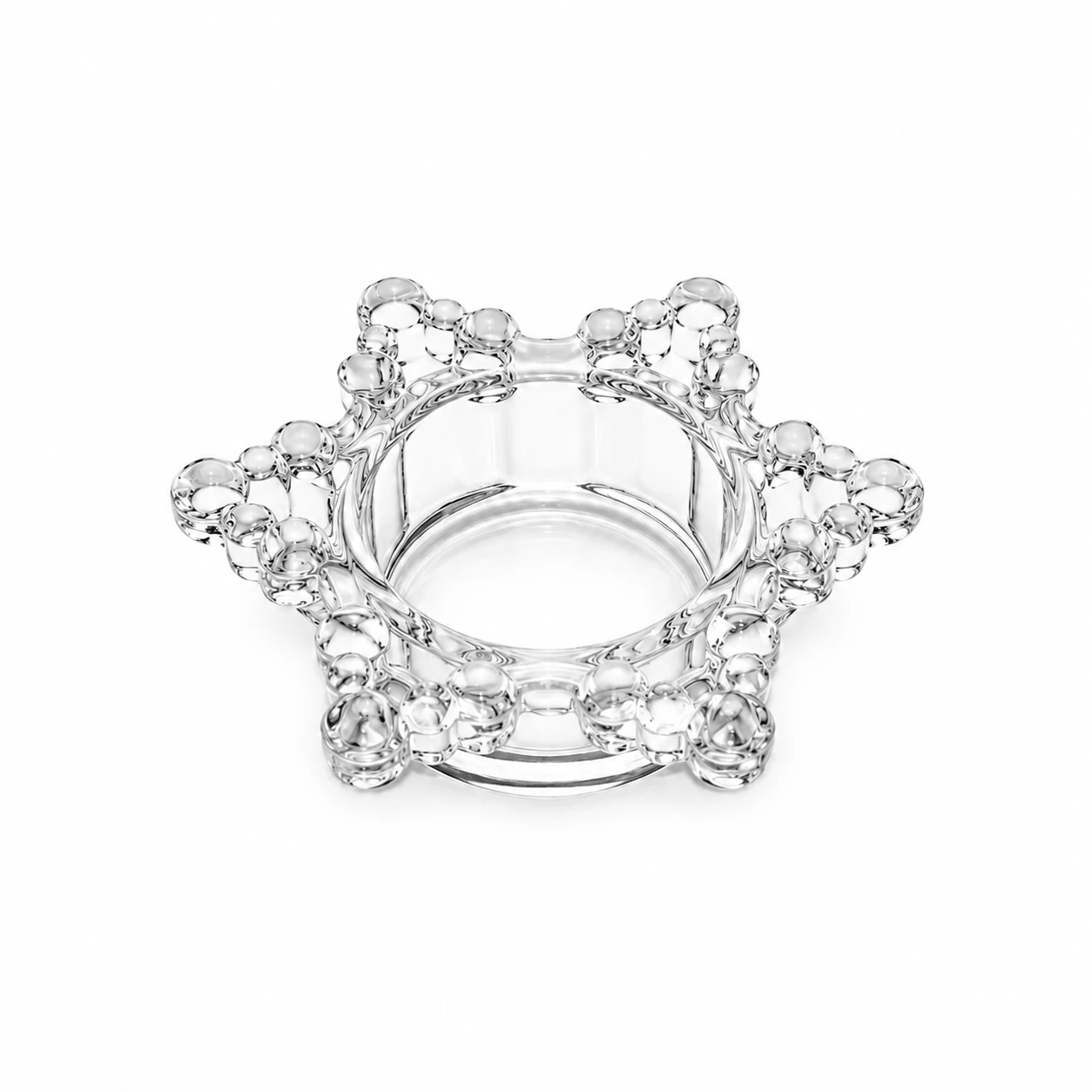
Seasonal glassware
Why Yubai Glass
Yubai Glass combines product development, manufacturing, packaging support, quality control, and export coordination to help importers, retailers, and brands bring ideas to market with reliability and confidence.
From concept to sample, our team supports custom shapes, decorations, and packaging design to bring your ideas to life.
Advanced production lines and strict quality control deliver consistent quality, stable supply, and reliable lead times.
One-stop export coordination including documentation, inspection, and logistics to help you ship with ease.
Explore how a glass product moves from an initial reference through technical development, manufacturing, decoration, inspection, packing and shipment. The content below comes directly from Yubai Glass’s existing workflow and process guides.
From reference photo to drawing, 3D model, rendering, prototype and glass mold development, we help retail buyers, wholesalers and OEM glass packaging projects turn product ideas into manufacturable glass products for China-based supply.
This OEM workflow supports buyers looking for a large scale glass manufacturer China, OEM glass packaging supplier USA retail chain support and wholesale glass bottle factory China capability before mold development.
Review Factory Capability →Step 01
Customer sends a reference photo, concept image, sample picture or target style. We first check product shape, glass process, size possibility and mold direction.
Customers can start with a reference photo, sample picture, hand sketch or product idea. We check shape, glass process, size possibility and mold direction before development.
Discuss Your Custom Project →Step 02
We convert the idea into a technical drawing with size marking, capacity direction, mouth details and key structure information for review.
Customers can start with a reference photo, sample picture, hand sketch or product idea. We check shape, glass process, size possibility and mold direction before development.
Discuss Your Custom Project →Step 03
After drawing confirmation, we create a 3D model to review product structure, proportion and manufacturability before sampling.
Customers can start with a reference photo, sample picture, hand sketch or product idea. We check shape, glass process, size possibility and mold direction before development.
Discuss Your Custom Project →Step 04
We discuss the drawing, model or sample with the customer, adjust details when needed, and confirm the final direction before mold development.
Customers can start with a reference photo, sample picture, hand sketch or product idea. We check shape, glass process, size possibility and mold direction before development.
Discuss Your Custom Project →Step 05
We use mold breakdown images to help customers understand how glass molds are developed, assembled and prepared before trial production.
Customers can start with a reference photo, sample picture, hand sketch or product idea. We check shape, glass process, size possibility and mold direction before development.
Discuss Your Custom Project →Step 06
For selected custom projects, patent application or certificate materials can support product protection and buyer confidence during development.
Customers can start with a reference photo, sample picture, hand sketch or product idea. We check shape, glass process, size possibility and mold direction before development.
Discuss Your Custom Project →Acrylic prototype is closer to glass transparency. Plastic prototype is mainly used for structure and size review.
Design development and 3D prototype sampling usually take about 3-7 days, depending on product complexity, drawing confirmation and sample material.
After prototype approval, we choose the suitable glass forming process and develop the mold. Glass molds are commonly made from cast iron or other suitable mold materials for high-temperature resistance and heat dissipation.
Different glass products require different machines, molds, finishing methods and packing standards. We help buyers understand the right process before quotation.
Glass Manufacturing Processes
Food jars, sauce bottles, honey jars, jam jars, beverage bottles and glass containers requiring stable mouth finish.
Depends on bottle size, glass weight, machine sections, cavity number and production line stability.
Neck finish tolerance, capacity tolerance, mold line, glass thickness, deformation and cap sealing fit.
Mouth finish, cap matching, filling method, sterilization requirement, packing method and target quantity.
Glass Manufacturing Processes
Glass bowls, plates, candle holders, ashtrays, thick-bottom glassware and selected storage containers.
Suitable for repeated production when the mold structure, product weight and press setup are stable.
Mold marks, rim consistency, uneven thickness, surface defects, heavy weight and limited shape flexibility.
Product shape, wall thickness, rim requirement, mold structure, surface standard and packing protection.
Glass Manufacturing Processes
Glass bowls, lampshades, wide-mouth glassware, round containers and selected decorative open-mouth products.
Good for smooth round shapes with a thin rim, even wall thickness and stable overall form.
Rotation speed, glass distribution, rim thickness, mold release, surface marks and cooling deformation must be controlled.
Product diameter, depth, target wall thickness, rim requirement, glass weight, mold structure and cooling method.
Glass Manufacturing Processes
High borosilicate cups, teapots, double-wall cups, glass straws and small borosilicate glass items.
Depends on tube size, handwork level, welding structure, finishing process and heat-resistant requirement.
Dimension variation, welding marks, fragile structure, thermal shock resistance from -20°C to 120°C and packing breakage.
Tube diameter, capacity, wall thickness, handle or lid structure, heat resistance requirement and packing design.
Glass Manufacturing Processes
High borosilicate glass food storage containers, oven-use containers, microwave-use containers and heat-resistant lunch boxes.
Pressed food container production depends on mold accuracy, glass weight, annealing condition, size stability and lid matching.
Rim flatness, mold accuracy, dimension tolerance, lid fit, thermal shock resistance from -20°C to 120°C and bottom stability.
Container capacity, length, width, height, rim structure, lid matching, heat resistance requirement, mold precision and packing protection.
Secondary Processing & Finishing
Screen-printed Decal Paper
Standard Decal Paper
Glass cups, drinkware, candle jars, gift glassware, retail glassware and private label projects.
Depends on artwork size, color quantity, paper size and printing method. Screen printing usually requires one film for each color, and each printed color needs drying before the next step.
Color difference, registration shift, white edge exposure, thin ink layer, weak metallic adhesion and unstable printing result caused by temperature or humidity changes.
Artwork file, color quantity, printing area, decal type, gold or metallic effect requirement, product shape and order quantity.
Secondary Processing & Finishing
Logo glassware, patterned drinkware, candle jars, decorative glassware and retail gift items.
Depends on decal size, product shape, manual application speed, drying time and firing temperature. Low-temperature decal firing is usually around 180-210°C, while high-temperature decal firing can be around 580-620°C depending on the product thickness.
Color change after firing, decal position tolerance, bubbles, wrinkles, film removal issues, poor adhesion and food-contact compliance should be confirmed if the decal material is used for food-contact applications.
Low-temperature or high-temperature decal requirement, dishwasher requirement, food-contact requirement, firing temperature, product thickness, artwork position and sample approval standard.
Secondary Processing & Finishing
Colored glassware, candle jars, vases, decorative bottles, seasonal glassware and gift items.
Depends on product size, spray area, color type, drying process and inspection standard. Spray color is usually low-temperature processing, with firing around 180°C.
Color difference, uneven coating, scratches, poor adhesion, dust marks, surface defects and packing abrasion.
Pantone color or sample color, matte or glossy finish, coating area, scratch resistance requirement, dishwasher requirement, packing method and sample approval standard.
Secondary Processing & Finishing
Glass cups, candle holders, vases, decorative glassware, gift glassware and metallic finish products.
Depends on washing method, product size, batch quantity, vacuum coating time and target color. Manual washing and automatic washing capacity are different, and coating time also depends on color effect and inspection standard.
Color difference, coating scratches, uneven metallic effect, poor adhesion, surface contamination and abrasion during packing or transportation.
Target color, metallic effect, product shape, washing requirement, coating area, scratch resistance requirement, packing protection and sample approval standard.
Secondary Processing & Finishing
Glass bottles, jars, cups, borosilicate parts and customized glass items requiring accurate holes for straws, valves, fittings or assembly.
Depends on glass type, wall thickness, hole diameter, product shape, laser power, positioning speed and inspection requirements.
Edge chipping, microcracks, heat marks, hole-position deviation, inconsistent diameter and breakage caused by unsuitable drilling parameters.
Glass material, wall thickness, hole diameter, hole position, tolerance, edge-finish requirement, sample approval and order quantity.
Secondary Processing & Finishing
Glass bottles, jars, cups, food containers and retail glassware requiring consistent carton packing and standardized handling.
Depends on product size, packing-line speed, carton configuration, inspection requirements and packing materials. Automated packing helps improve consistency and reduce manual handling.
Incorrect product positioning, unstable feeding, carton mismatch, insufficient cushioning, label errors and breakage during line transfer.
Product dimensions, weight, units per carton, divider or EPE requirement, carton size, pallet plan and destination handling requirements.
After sample approval, we support production planning, factory audit documentation, packing protection, third-party inspection and safe loading before shipment.
Step 01
Bulk production will be arranged only after we receive the customer's approved sample or final confirmation. Before production, we confirm product shape, size, color, decoration, packing direction and final sample standard.
Discuss Order Execution →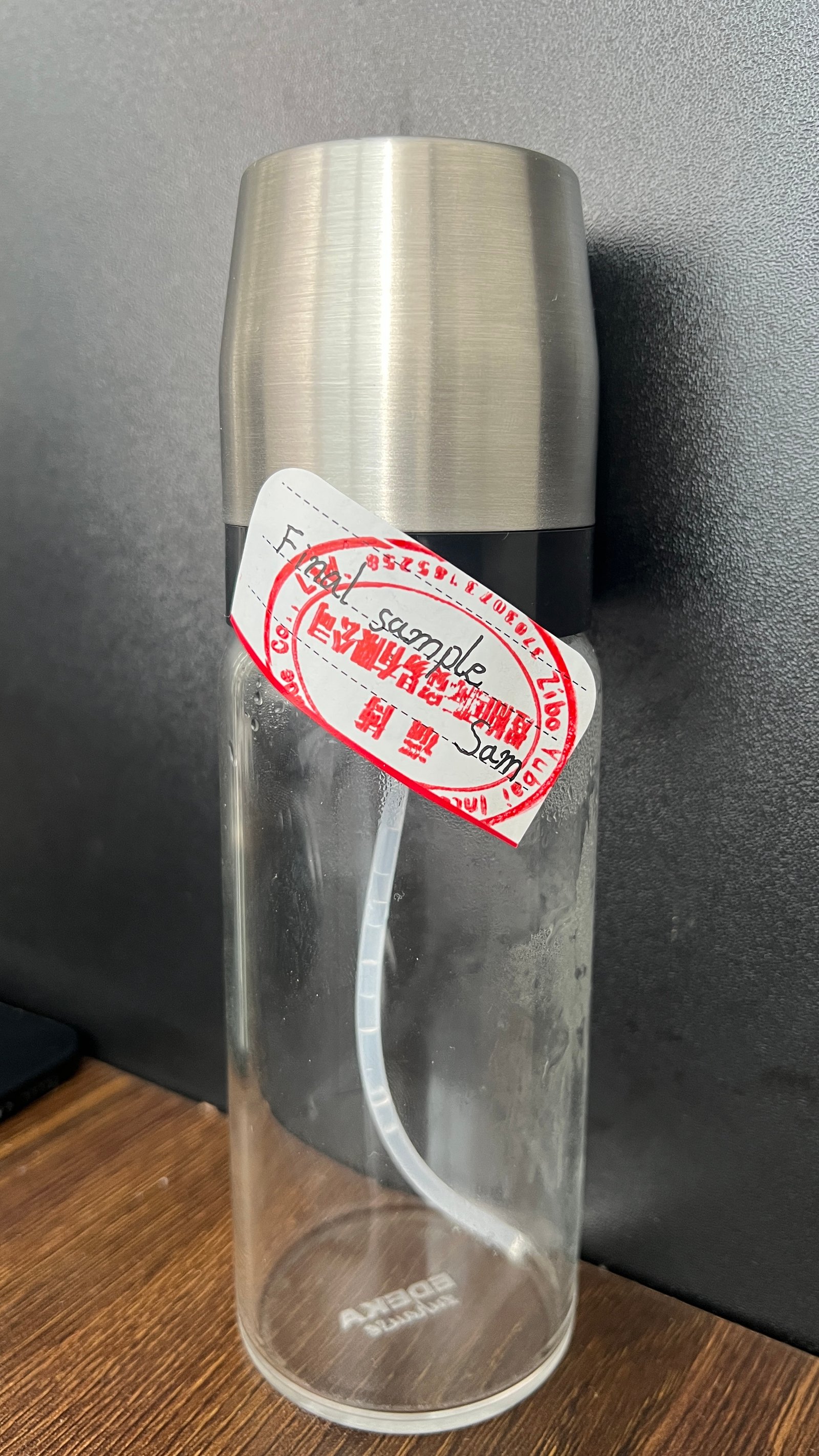
Step 02
Yubai Glass operates multiple glass forming lines with different gob weight ranges, allowing flexible production for various glass packaging and glassware products.
| Production Line | Gob Weight Range | Basic Price |
|---|---|---|
| Line 2 | 80–100 g | View Basic Price |
| Line 7 | 110–130 g | View Basic Price |
| Line 3 | 140–170 g | View Basic Price |
| Line 1 | 180–200 g | View Basic Price |
| Production Line | Gob Weight Range | Basic Price |
|---|---|---|
| Line 4 | 160–250 g | View Basic Price |
| Line 5 | 250–290 g | View Basic Price |
| Line 8 | 300–350 g | View Basic Price |
| Line 6 | 350–500 g | View Basic Price |
| Line 10 | 500–1,000 g | View Basic Price |
| Line 9 | 1,000–2,000 g | View Basic Price |
Step 03
Factory audit support can be arranged according to buyer requirements. We have audit experience with BSCI, Walmart and Disney-related factory requirements, and can coordinate related documents and audit preparation when needed.
Step 04
Packing can be adjusted according to product use and sales channel. For e-commerce orders, EPE foam packing can be used to improve protection. For large retail and supermarket orders, reinforced export cartons can be arranged. FSC-certified packing materials can also be prepared when required.
Discuss Order Execution →Step 05
Third-party inspection can be coordinated before shipment according to buyer requirements. Inspection companies such as BV, QIMA and SGS can check product appearance, size, packing, carton marks, quantity and loading condition before shipment.
Step 06
Before shipment, we can provide carton size, gross weight, volume and loading reference. Loading photos can be shared with the buyer to confirm packing condition, carton arrangement and shipment preparation.
Discuss Order Execution →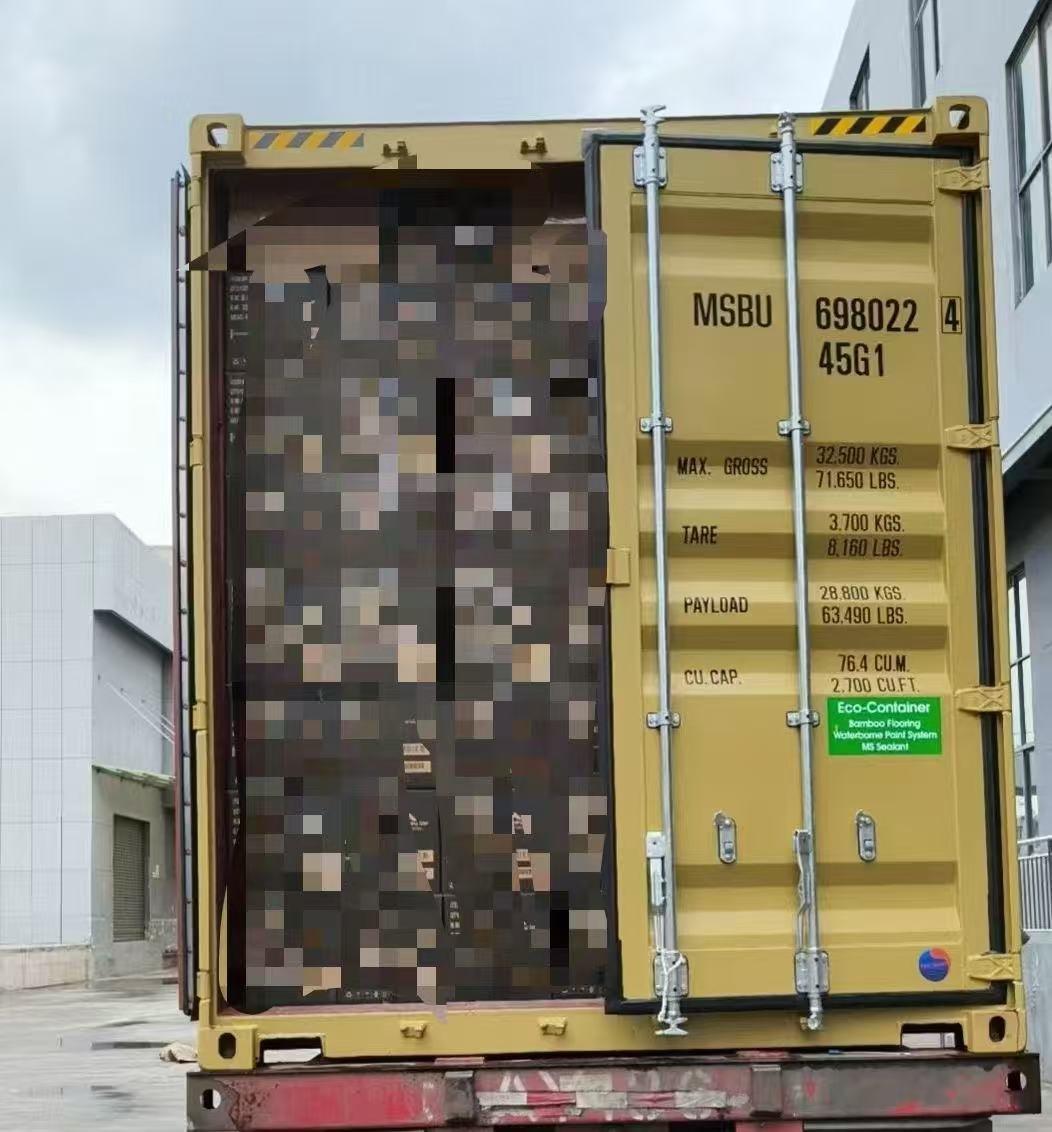
Yubai Glass catalog




Usually replies as soon as possible
WhatsApp will open in a new window. Standard data charges may apply.